Song Meaning
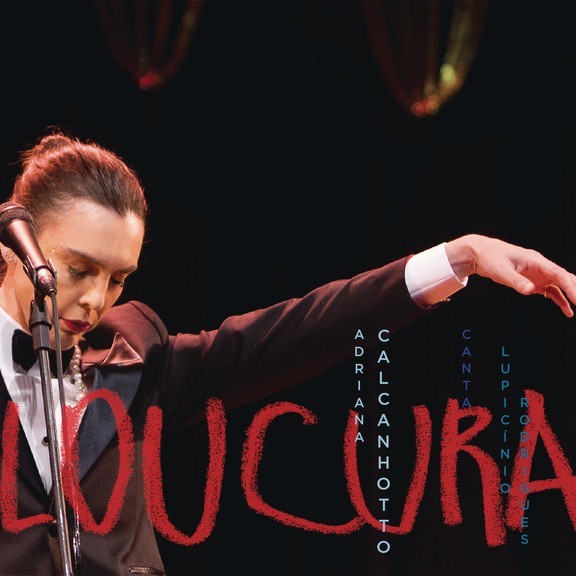
Adriana Calcanhotto's "Pater familias" isn't a celebration of patriarchal power, despite its title's suggestion. Instead, it's a raw, unflinching portrait of romantic devastation, filtered through a lens of jealousy and existential despair. The song dives headfirst into the agony of seeing a former love in the arms of someone deemed unworthy, someone who doesn't measure up to the speaker's own perceived depth of feeling. The repeated questioning, "Você sabe o que é ter um amor, meu senhor?" (Do you know what it is to have a love, my lord?), drips with sarcasm and a desperate plea for understanding that will never come.
The core of "Pater familias" lies in the contrast between the speaker's intense emotional experience and the perceived indifference of others. Calcanhotto juxtaposes her own near-death experience from love with the supposed emotional stoicism of "pessoas de nervos de aço" (people with nerves of steel). This highlights the speaker's vulnerability and amplifies the pain of seeing her love with someone who seemingly possesses none of the emotional intensity she craves. It's a brutal confrontation with the realization that love, once shared, is now a commodity, freely given to someone who, in her eyes, doesn't deserve it.
Ultimately, the song meaning hinges on the ambiguity of the final lines. The speaker confesses to not knowing if what she feels is "ciúme, é despeito, amizade ou horror" (jealousy, spite, friendship, or horror). This confusion speaks to the complexity of heartbreak. It's not a simple emotion; it's a tangled web of conflicting feelings that can lead to a "desejo de morte ou de dor" (desire for death or pain). This isn't literal suicidal ideation, but rather a poetic expression of the overwhelming desire to escape the unbearable weight of romantic loss. Calcanhotto masterfully captures the self-destructive impulses that can arise when love turns sour, leaving us with a haunting exploration of jealousy's darkest corners.
 View Artist