Song Meaning
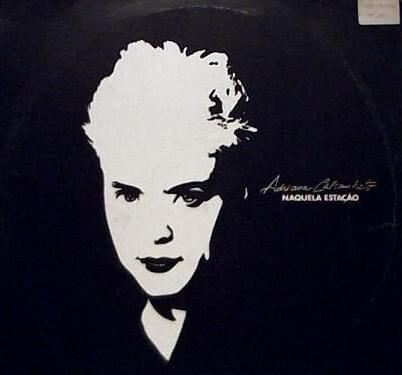
Adriana Calcanhotto's "Naquela Estação" isn't merely a farewell; it's a masterclass in conveying the quiet devastation of watching someone leave, knowing the tracks stretch in different directions for good. The setting, a train station, becomes more than just a physical location. It's a potent symbol of transition, separation, and the agonizing stillness that remains after departure. The simple act of boarding a train transforms into a definitive act of choosing a different future, a future that pointedly excludes the narrator. Calcanhotto captures the feeling with surgical precision. There's no anger, no dramatic plea for them to stay – only the stark acceptance that "também não dava mais para tentar / lhe convencer a não partir." The futility hangs heavy in the air, as thick as the smoke from the departing train. The singer isn't even resentful, but resigned.
The lyrics analysis reveals a subtle, psychological depth. The phrase "vendo o céu fugir" is particularly evocative, suggesting not just the literal observation of the sky receding as the train pulls away, but also the fading of hope and the shrinking of possibilities. The sky, typically a symbol of limitlessness and freedom, becomes something that's actively escaping, mirroring the departure of the loved one. This feeling of diminishing hope is a powerful illustration of loss. The train station becomes a locus of pain, a fixed point in time where everything changed.
The final lines crystallize the song's central theme: the heart's inability to move on. While the departed lover embarks on new journeys and "outras paisagens," the narrator's heart, despite feigning a thousand voyages, remains stubbornly rooted "naquela estação." It's a poignant image of emotional paralysis, a testament to the enduring power of love and the difficulty of letting go. Calcanhotto doesn't offer any easy answers or comforting platitudes. Instead, she leaves us with the raw, unflinching portrait of a heart tethered to a memory, forever waiting for a train that will never return.
 View Artist