Song Meaning
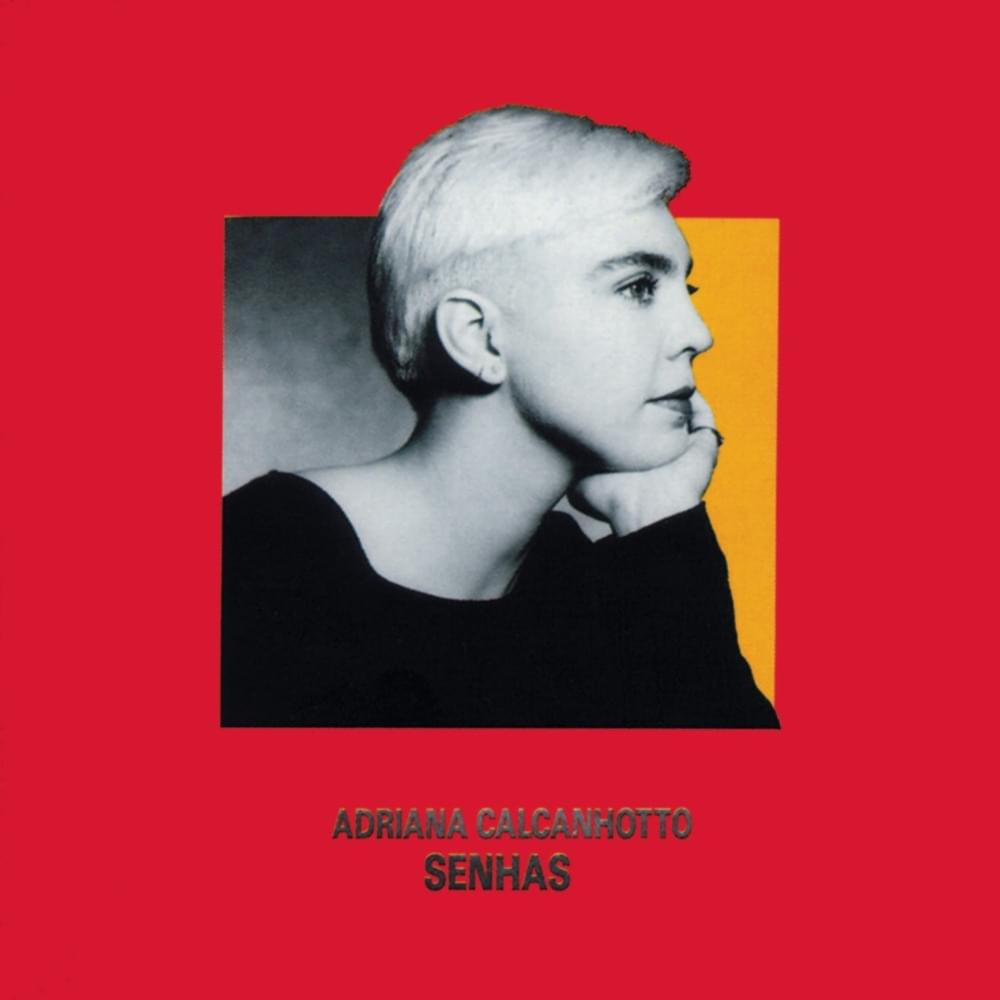
Adriana Calcanhotto's "MUKTI" isn't just a song; it's an act of sonic devotion, a confession whispered through the insistent pulse of samba. The lyrics, deceptively simple, reveal a deliberate artistic choice: to find the perfect rhythmic heartbeat to mirror the singer's own emotional landscape. It's a search for authenticity, a quest to translate inner turmoil and affection into a universally understood language. Calcanhotto isn't just writing a song; she's engineering a feeling. The phrase 'Uma batida diferente' suggests a departure, a conscious effort to innovate within a traditional form. She's not merely replicating samba; she's refracting it through the prism of her own experience.
The lyrics point to an intimate dedication. 'Pra você eu fiz esse disco' is a disarmingly direct statement, transforming the album into a personal offering. This isn't music for the masses; it's a carefully curated collection intended for a specific, perhaps singular, recipient. The act of creation becomes an act of vulnerability, exposing 'meu jeito' – her essence, her quirks, her unique perspective – to the scrutiny of the beloved. The rhythmic choices, therefore, are not arbitrary; they are integral to conveying the depth and specificity of her feelings. This deepens the "MUKTI" song meaning into an intimate serenade.
Ultimately, "MUKTI" operates on multiple levels. It's a celebration of samba as a vessel for emotional expression, a testament to the power of rhythm to articulate the ineffable. It's also a deeply personal statement, a courageous unveiling of the artist's inner world for the sake of connection. The very act of choosing samba – a genre steeped in history and cultural significance – adds another layer of complexity. Calcanhotto is not just using a beat; she's engaging in a dialogue with tradition, repurposing it to express a very modern, very personal sentiment. The song becomes a kind of emotional architecture, carefully constructed to house and convey the weight of unspoken feelings.
 View Artist