Song Meaning
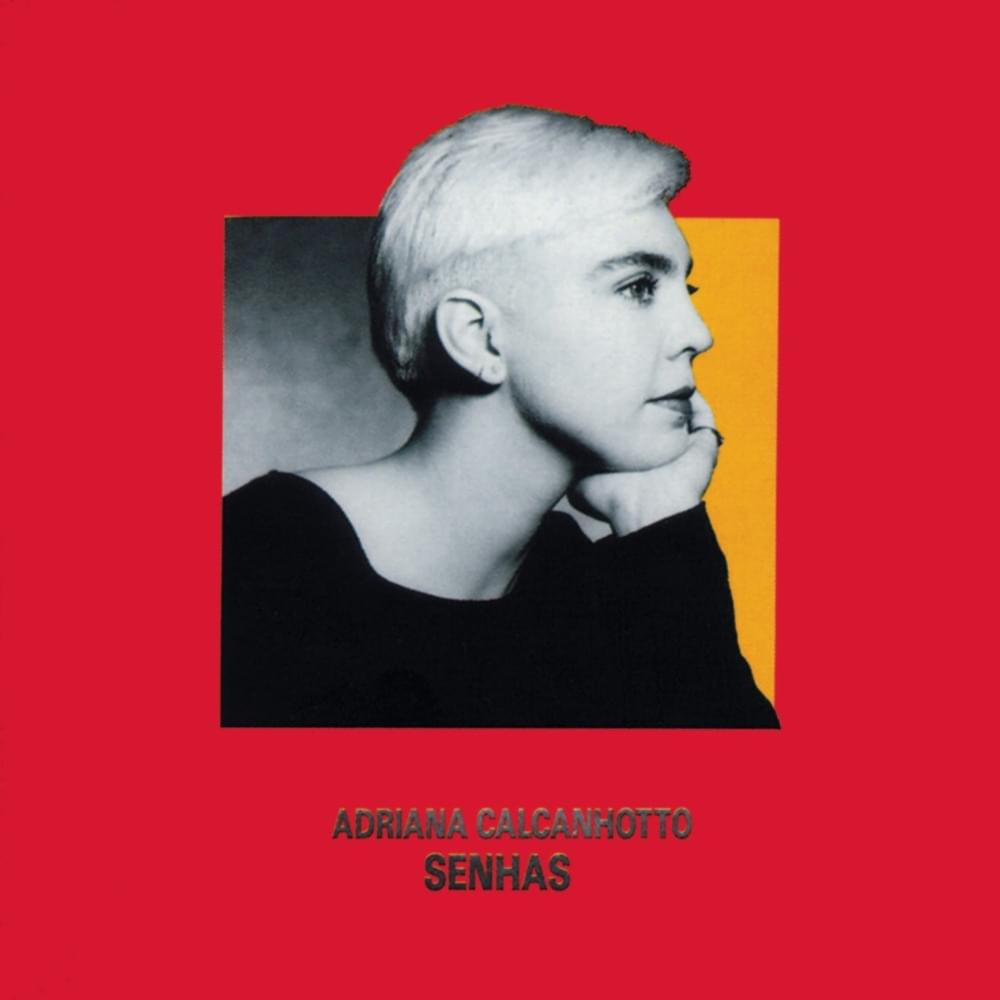
Adriana Calcanhotto's "Milagres / Miséria" isn't a protest song in the traditional sense; it's a stark, poetic observation of societal contrasts, a kind of resigned sigh in the face of inequality. The title itself, juxtaposing 'miracles' and 'misery,' sets the stage for a nuanced exploration of how these opposing forces coexist, particularly within a Brazilian context, though its themes resonate universally. The 'miracle' of weapons that don't kill anyone is immediately undercut by the pervasive hunger, painting a picture of a society attempting to find beauty and sustenance ('levando a vida na arte') amid systemic failures. Calcanhotto isn't offering solutions; she's holding up a mirror. She highlights resilience alongside despair. The repetition of 'Miséria é miséria em qualquer canto / Riquezas são diferentes' serves as the song's core thesis. Misery, in its essence, is universal – a shared human experience of lack and suffering. But wealth? Wealth is infinitely variable, creating fractures along lines of race, caste, and belief. This isn't just about money; it's about access, opportunity, and the arbitrary nature of privilege. The fact that 'ninguém sabe falar esperanto' (no one speaks Esperanto) suggests a breakdown in universal understanding and communication, a failure to connect across these manufactured divides. The latter part of the song introduces a creeping sense of numbness. Death and the sun—typically powerful symbols—no longer shock or inspire awe. Children playing with violence 'nesse cinema sem tela' implies a society where brutality is normalized, where the line between reality and spectacle blurs. Calcanhotto closes with a rhetorical question, lamenting the 'vagabundo' (lazy, aimless) time 'que escolheram pra gente viver?' (that they chose for us to live?). It’s a sentiment of disillusionment, a questioning of the present moment and the forces that have shaped it. The song meaning, therefore, resides not in a simple message, but in its complex portrayal of a world where miracles are small, misery is constant, and the present feels both predetermined and tragically wasteful.
 View Artist