Song Meaning
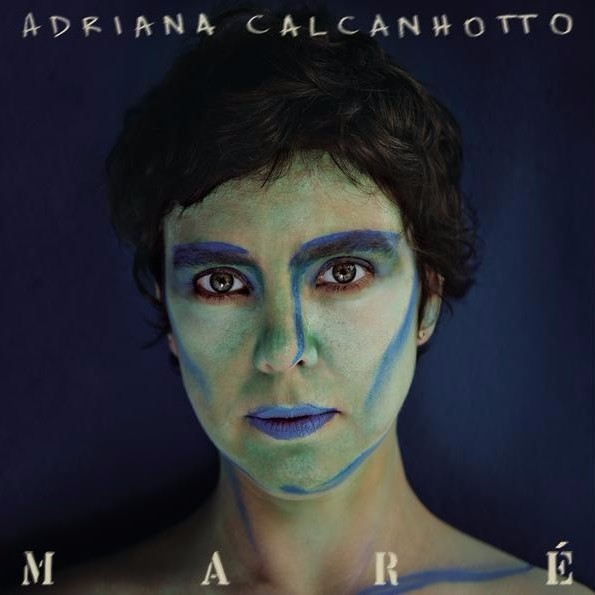
Adriana Calcanhotto's "Maré" isn't just a song; it's a meditation on cyclicality and transformation, viewed through the lens of the ocean. The Portuguese word 'maré' translates to 'tide,' immediately grounding us in the rhythmic push and pull that shapes coastlines and, metaphorically, our lives. Calcanhotto presents the sea not as a static entity, but as a dynamic force, 'se dar' – giving itself, offering itself repeatedly. This act of continuous offering suggests a generosity inherent in nature, a willingness to provide and reshape. The lyrics hint at a journey, a 'passagem' (passage) from 'árido à miragem' (arid to mirage), suggesting a movement from desolation to hope, or perhaps from reality to illusion, all orchestrated by the sea's influence. The ocean, therefore, embodies possibility and change.
She emphasizes the sensory qualities of the sea: 'salgado' (salty), 'gelado' (icy), 'azul' (blue). These adjectives aren't merely descriptive; they're portals to understanding. The line 'Será só linguagem' (It will only be language) is crucial. The ocean, despite its tangible presence, serves as a symbolic system, a way for us to interpret the world and our experiences within it. The tide becomes a metaphor for the ever-shifting nature of perception and understanding. The repetition of 'Mais uma vez' (Once again) reinforces the idea of recurring cycles, suggesting that these transformations and offerings are not isolated events but rather continuous processes.
The shift from 'átomo a paisagem' (atom to landscape) further expands the scope of this transformation. It's a movement from the microscopic to the macroscopic, implying that the sea's influence extends from the smallest building blocks of reality to the grandest vistas of our world. Even in its turbulent states—'irado emaranhado' (angry, entangled)—the sea remains 'ondulado' (wavy), suggesting an underlying rhythm and structure even in chaos. The colors 'Verde azul' (green blue) act as synesthetic markers, deepening the sense of immersion and sensory experience. Ultimately, "Maré" invites us to contemplate the transformative power of nature and its ability to reflect and shape our inner landscapes. It's a reminder that even in the face of aridity or chaos, the potential for change and renewal always exists, driven by the constant ebb and flow of life's tides.
 View Artist