Song Meaning
Adriana Calcanhotto's "I Can’t Lend You My Heart" (translation of the title) isn't a straightforward declaration of romantic unavailability; it's a complex assertion of artistic lineage and creative identity. The lyrics, though brief, pulse with the weight of Brazilian musical history. Calcanhotto doesn't present herself as a solitary genius, but as a conduit, a 'mere successor' in a long and storied line. The opening lines establish this continuity, a sense of selfhood forged in the fires of enduring artistic principles. She is the inheritor, the one who remains unchanged by time, yet simultaneously transformed by it. This duality is key to understanding the song's core. It's not about romantic love, but about artistic devotion. The heart, in this context, isn't a sentimental organ but the very source of creative inspiration, something too integral to be simply 'lent.'
The heart of the song lies in the roll call of iconic Brazilian musicians: Herivelto Martins, Dorival Caymmi, Sinhô, Ataulfo Alves, Ary Barroso, Noel Rosa, and Heitor Villa-Lobos. Calcanhotto doesn't just name-drop; she embodies them. She *is* them, in the sense that their musical DNA flows through her veins. She declares herself a 'doctor of pleasures, of songs,' someone deeply versed in the emotional spectrum of both joy and pain. This isn't arrogance, but a statement of purpose. She offers her expertise, her understanding of the human condition as expressed through music. The 'dô, dô, dô o que você quiser' suggests a willingness to provide whatever the listener needs, emotionally and artistically.
The repetition of 'Tô, tô, tô / Pro que der e vier' at the song's end reinforces this idea of unwavering commitment. It's a pledge of allegiance, not to a lover, but to the craft itself. Calcanhotto positions herself as a steadfast presence, ready for anything that comes her way, artistically speaking. The song, therefore, becomes a manifesto, a declaration of artistic identity rooted in tradition but facing the future with unwavering resolve. It's a reminder that true creativity isn't born in a vacuum, but emerges from a deep engagement with the past, a willingness to carry the torch and pass it on to future generations. It's about owning your influences, not just imitating them, and using them to forge something new and meaningful.
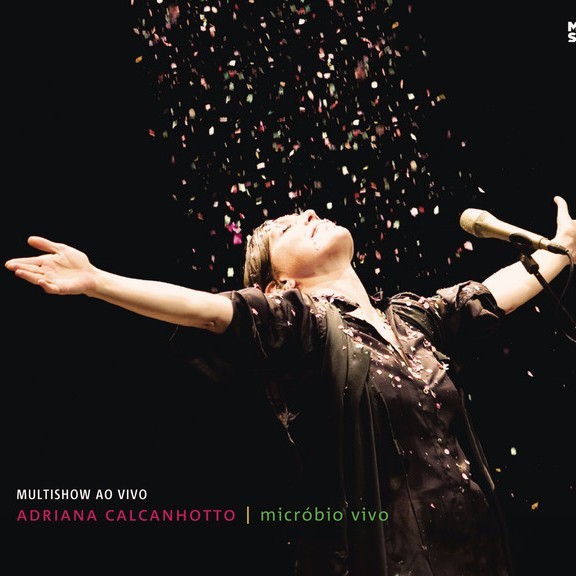
 View Artist