Song Meaning
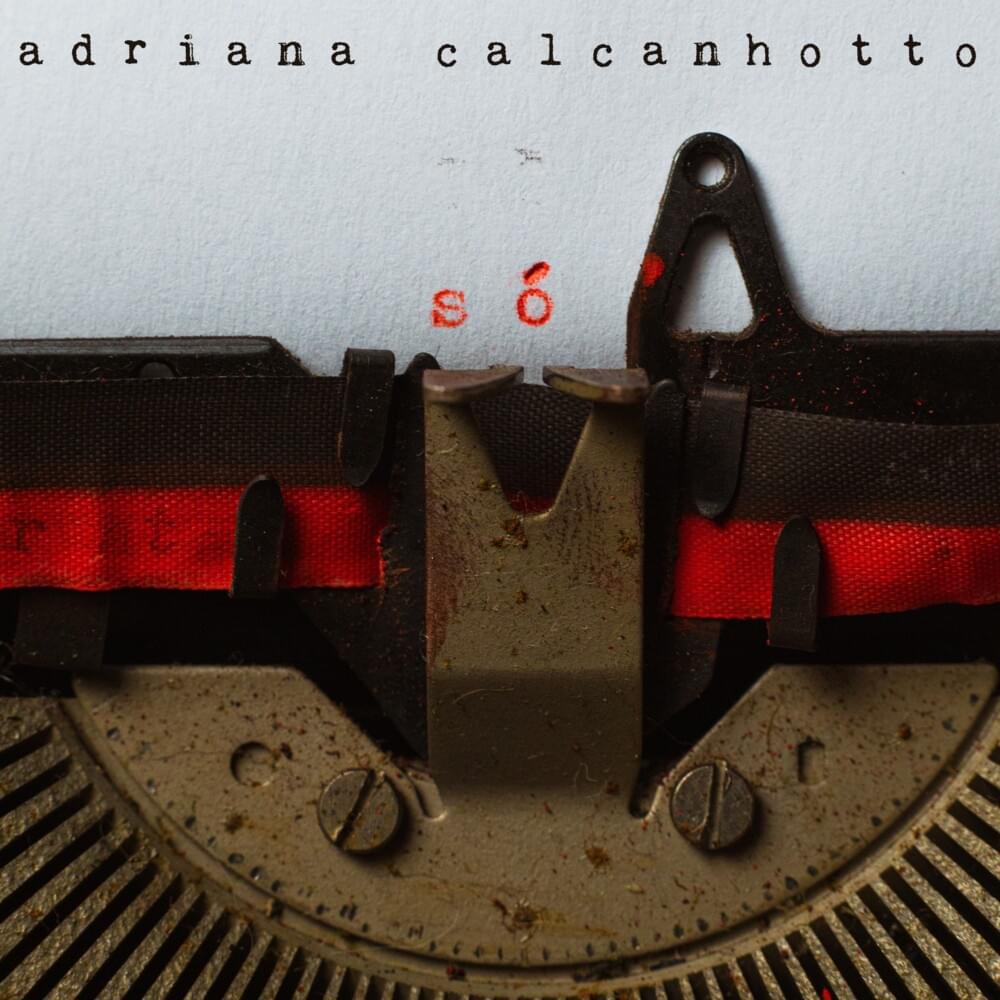
Adriana Calcanhotto's "Bunda Lê Lê" lands like a playful jab in the ribs of pandemic-era inertia. Released into a world grappling with lockdowns, the track, featuring Dennis DJ, is deceptively simple. The core of the song meaning revolves around the repetitive, almost hypnotic, juxtaposition of physical action ("Senta senta senta senta / A bunda senta") with intellectual pursuits ("e estuda senta a bunda e estuda"). It's a body-positive, tongue-in-cheek anthem for a generation forced to reconcile the demands of productivity with the realities of confinement. The lyrics suggest a kind of embodied cognition, where learning and action, the cerebral and the physical, are not mutually exclusive but intertwined, even symbiotic.
The repetition of "Na quarentena o que que faz?" (What to do in quarantine?) is a question that many of us asked ourselves during that period. Calcanhotto cleverly inverts the sense of helplessness by offering a solution that is both absurd and strangely empowering. The instruction to "Senta a bunda e lê lê" (Sit your butt and read) is a call to action, albeit a somewhat irreverent one. It acknowledges the monotony and frustration of isolation while simultaneously suggesting a way to reclaim agency. The playful use of rhythm and rhyme creates a sense of movement and energy, counteracting the stasis of quarantine.
Ultimately, "Bunda Lê Lê" is a reminder that even in the face of unprecedented challenges, there is room for joy, humor, and self-discovery. It's a celebration of resilience, adaptability, and the power of the human spirit to find creative solutions, even when those solutions involve a little bit of booty shaking. The song's genius lies in its ability to be both silly and profound, a testament to Calcanhotto's artistry and her keen understanding of the human condition. The final "Vai vai vai vai vai" feels less like an instruction and more like an encouragement, a gentle push forward into an uncertain future.