Song Meaning
Adriana Calcanhotto's "Beijo Sem" pulses with the raw energy of reinvention, a phoenix rising from the ashes of a past relationship. It's a declaration of independence, not delivered with a clenched fist, but with a lipstick-stained smile in the hazy glow of a Lapa nightclub. The lyrics paint a portrait of a woman reclaiming her sexuality and identity after being left behind. She's no longer defined by the "quem você deixou, amor" (who you left, my love). Instead, she’s actively constructing a new self, one fueled by nightlife and fleeting encounters. The repetition of "Eu não sou mais quem" (I am no longer who) acts as a mantra, a constant reaffirmation of this transformation.
The song's power lies in its embrace of hedonism as a form of healing. Lapa, Rio's bohemian heart, becomes her sanctuary. The lines "Viro todas/Beijo bem" (I turn all/Kiss well) and "Viro outras/Beijo sem" (I turn others/Kiss without) suggest a deliberate exploration of sensuality, a testing of boundaries, and a rejection of emotional baggage. The crucial shift from "bem" (well) to "sem" (without) in the act of kissing highlights a move from seeking genuine connection to embracing something more fleeting and perhaps, ultimately, more liberating. It is a kiss without strings, without expectations, without the ghosts of past lovers.
"Noite alta é meu dia/E a orgia é meu bem" (High night is my day/And the orgy is my good) is perhaps the most potent line, revealing a complete inversion of societal norms and expectations. The "orgia" isn't necessarily literal; it's a metaphor for the sensory overload and emotional freedom she finds in the anonymity of the night. Calcanhotto crafts a narrative of self-discovery through embracing the present moment, shedding the weight of the past, and finding solace in the ephemeral pleasures that Lapa offers. The woman in "Beijo Sem" is not just moving on; she's actively rewriting her story, one kiss at a time.
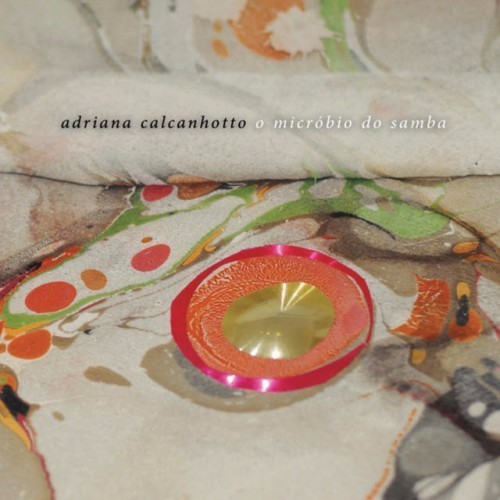
 View Artist