Song Meaning
Adrian Belew's "Heaven's Bed" isn't a straightforward love song; it's a yearning for transcendence in the face of crushing mundanity and societal woes. The opening paints a picture of soul-numbing routine – "tax returns and future earnings" – a sentiment relatable to anyone trapped in the gears of modern life. Belew juxtaposes this with a glimmer of hope: the connection he feels with "her," a connection he attributes to the gods themselves. But before he can articulate this feeling, she interrupts with a simple, powerful desire: "Take me up to heaven / Up into the sky / Our love is strong enough to fly." This isn't necessarily a literal heaven, but a metaphorical escape.
The verses continue to highlight the push and pull between earthly concerns and spiritual aspiration. Belew is weighed down by grim news, lamenting a society with "no respect for humanity." His attempt to intellectualize the problem is, again, cut short by the woman's plea for elevation. "Heaven's Bed," then, becomes a space carved out from the anxieties of the world, a sanctuary built on the strength of their bond. It’s a rejection of intellectualizing and an embrace of the visceral power of love as a means of escape.
The final verse offers a glimpse into the nature of this heaven: a realm of shared dreams and intimate connection. It's a place where eyes become stars, where worries are laid to rest. The line, "You need to leave your mind alone," is key. It suggests that the analytical, problem-solving mind – the very thing that recognizes the "dull affair" of existence – is also the barrier to experiencing this higher state. Ultimately, "Heaven's Bed" explores the tension between intellectual despair and the redemptive power of love, suggesting that sometimes, the most profound answers lie not in analysis, but in connection and shared experience.
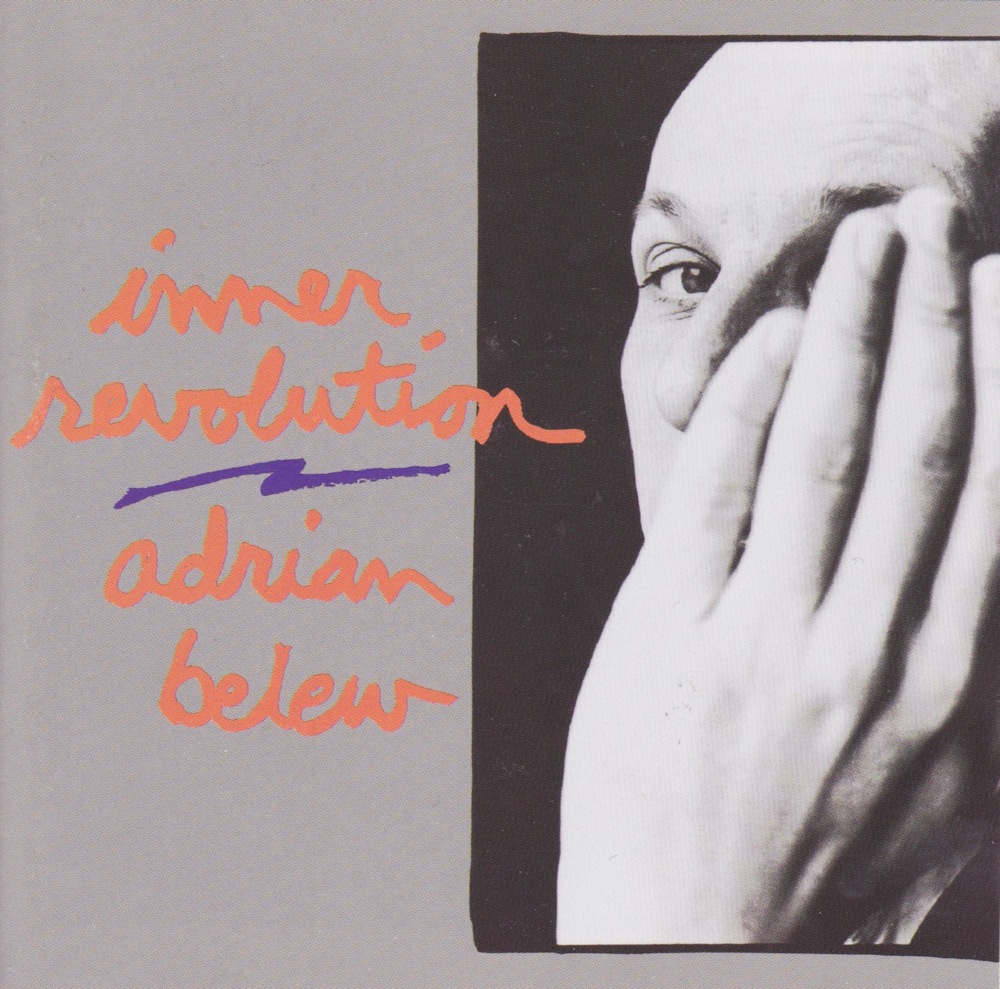
 View Artist