Song Meaning
Adrian Belew's "Free as a Bird" isn't just about avian liberation; it's a poignant meditation on lost innocence and the elusive nature of 'home.' The childlike 'doo-doo' vocalizations, scattered throughout, act as a Greek chorus, a wistful echo of a simpler past. Belew juxtaposes this with the repeated longing: 'Whatever happened to the life that we once knew?' This isn't aggressive questioning, but a gentle, almost mournful, inquiry. The desire to be 'free as a bird' becomes synonymous with a yearning for that irretrievable former life, a life perhaps unburdened by the complexities and disappointments of adulthood. The bird, in this context, isn't just a symbol of freedom but of a naive, uncorrupted state of being.
The phrase 'home, home and dry' adds another layer of complexity. While superficially suggesting safety and security, it also carries a hint of stagnation, a potential critique of complacency. Is the speaker truly seeking the comfort of 'home,' or are they romanticizing a past that never truly existed? The image of a 'homing bird' hints at instinct, an almost programmed return to a familiar, perhaps outdated, ideal. The simplicity of the lyrics belies the depth of the emotional landscape Belew paints. It's a portrait of someone caught between the allure of freedom and the pull of a half-remembered past.
Ultimately, the song meaning of "Free as a Bird" resides in its ambiguity. It's a sonic Rorschach test reflecting the listener's own relationship with nostalgia and the ever-present tension between the desire for escape and the longing for belonging. The cyclical nature of the lyrics, returning to the 'free as a bird' refrain, suggests a perpetual state of yearning, a search for something that may be forever out of reach. Is true freedom found in escaping the past, or in reconciling with it? Belew wisely offers no easy answers, leaving us to grapple with the question ourselves.
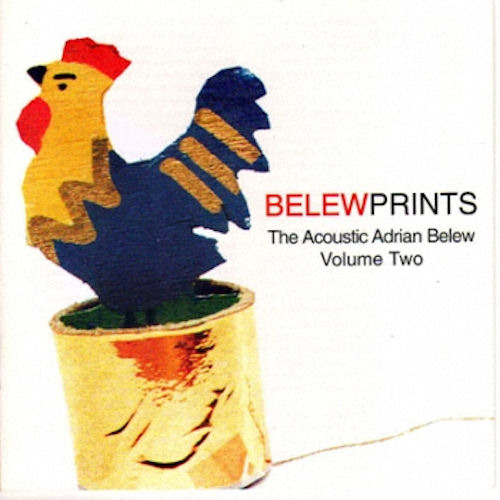
 View Artist