Song Meaning
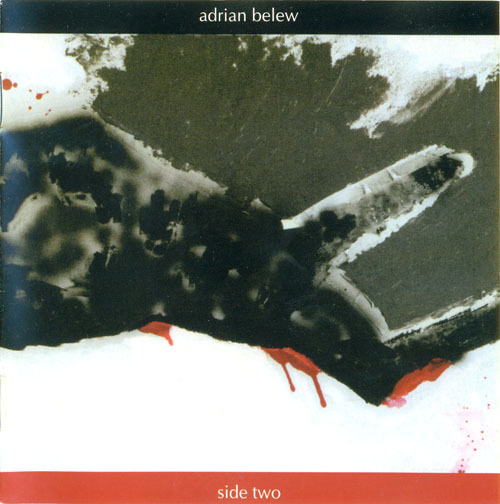
{"song_id": 14007363, "meaning": "Adrian Belew's \"Dead Dog on Asphalt\" isn't your typical rock lament; it's a stark, almost clinical, recounting of an event that triggers a profound artistic awakening. The song meticulously details the circumstances surrounding the accidental death of a dog, framing it not as a tragedy in itself, but as a catalyst. The '65 Chevy truck, the fake rhino horn, the precise date – these details create a hyper-realistic backdrop for the seemingly random act of a dog darting into traffic. This level of specificity suggests Belew is grappling with the very nature of causality and the unexpected ways trauma can unlock hidden potential. The image of the spinning dog in the rearview mirror isn't dwelled upon emotionally; instead, it's quickly followed by the impulse to create.
The pivot from accidental death to artistic creation is the core of the song's meaning. Belew bypasses a conventional grief response, instead channeling the visceral experience into a tangible form: a painting. The lyrics underscore the suddenness of this transformation. He'd always imagined painting 'someday,' but the encounter with death forces the issue, collapsing the distance between aspiration and action. The act of dragging the dog's body from the pavement is not just a gesture of respect but a necessary step in confronting the reality he will soon render on canvas. The matter-of-fact tone, devoid of melodrama, allows the starkness of the event and its transformative power to speak for themselves.
Ultimately, \"Dead Dog on Asphalt\" explores how unexpected moments, even those steeped in sadness, can serve as unexpected portals to creativity. The song isn't about the dog's death per se, but about the inexplicable alchemy that occurs when mortality collides with artistic impulse. Belew presents a scenario where witnessing the abrupt end of life sparks a new beginning, a shift from passive contemplation to active creation. The blunt title, mirroring the blunt honesty of the lyrics, reinforces the song's refusal to sentimentalize or sanitize the experience. It's a raw, unflinching look at the strange and often unsettling ways in which art is born."}
 View Artist