Song Meaning
This song paints a vivid picture of a lover caught between desire and duty. The narrator is clearly smitten, wanting to linger with their partner, but a hard deadline looms: the eleven o'clock train. The repeated, almost hypnotic "faz carinho dumdum" suggests a tender, intimate moment that the narrator desperately wants to prolong, but can't. It’s a fleeting, sweet interlude that must end.
The core tension arises from the narrator's conflicting obligations. On one hand, the intense pull of the relationship is evident in their desire to stay and the affectionate sounds. On the other, practical realities and familial responsibility demand their departure. The phrase "Moro em Jaçanã" grounds the urgency, highlighting the geographical distance and the limited window of opportunity to get home.
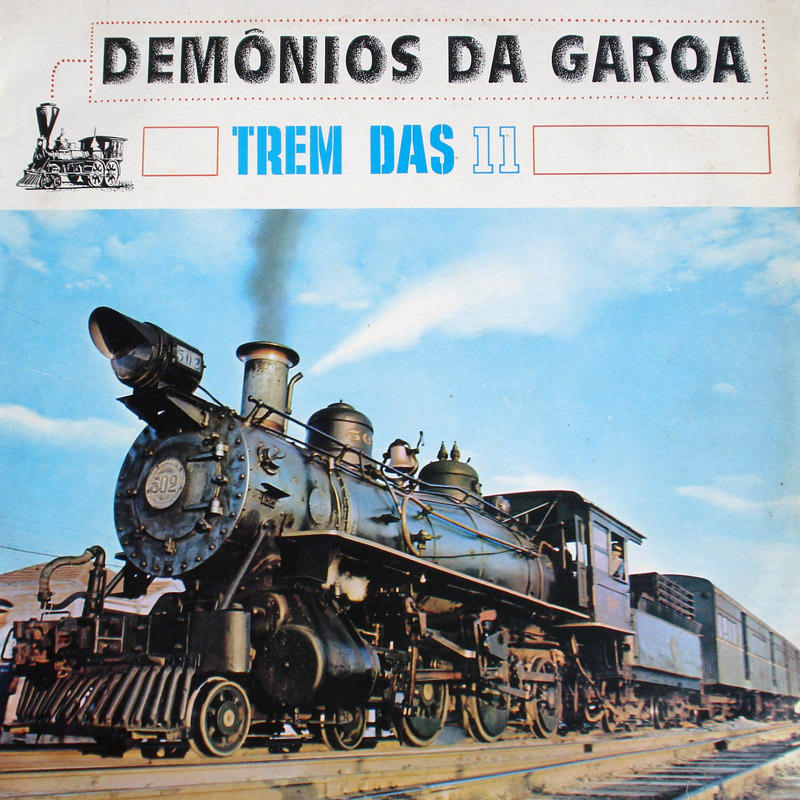
The lyrics cleverly use the train as a concrete symbol of this constraint. Missing the "trem que sai agora às onze horas" means a significant delay, pushing the return until "só amanhã de manhã." This isn't just about missing a ride; it’s about the cascading consequences of that missed connection, especially given the narrator's role as a sole caregiver for their mother who "não dorme enquanto eu não chegar."
What makes these lyrics so effective is their directness and relatable conflict. The narrator isn't making grand pronouncements; they're stating facts that carry immense emotional weight. The juxtaposition of the intimate "faz carinho" with the stern reality of the train schedule and parental duty creates a poignant, bittersweet feeling that resonates with anyone who’s had to cut a perfect moment short for life’s demands.
 View Artist