Song Meaning
The narrator opens with a stark contrast, declaring an intention to face life with a smile. This isn't just a casual preference; it's a deliberate choice born from past pain. The lyrics explicitly state, "Pois chorando / Eu vi a mocidade / Perdida," meaning "Because crying / I saw my youth / Lost." This establishes a core tension: the memory of lost youth due to sorrow fuels a present commitment to joy.
The central conflict revolves around overcoming a profound sense of saudade, a Portuguese word often translated as longing or melancholy. The narrator acknowledges this lingering sadness, stating, "Finda esta saudade / Hei de ter outro alguém para amar." This suggests a hope for future connection and love, contingent on the eventual end of this deep-seated longing. The repetition of the opening lines hammers home the hard-won nature of this optimistic outlook.
The most striking craft element is the direct juxtaposition of "sorrir" (smiling) and "chorando" (crying). This isn't a subtle metaphor; it's a blunt, declarative statement of how the narrator chooses to navigate existence. The cyclical structure, with the initial sentiment returning after the mention of the storm passing and the sun rising, reinforces the idea that this is a continuous, conscious effort to maintain a positive perspective despite past and present hardship.
Ultimately, the lyrics resonate because they articulate a universal human experience: the struggle to find light after darkness. The narrator's resolute decision to smile, not out of ignorance of pain but because of it, offers a powerful testament to resilience. The promise of the sun after the storm and the hope for future love provide a grounded, earned optimism that feels deeply human and relatable.
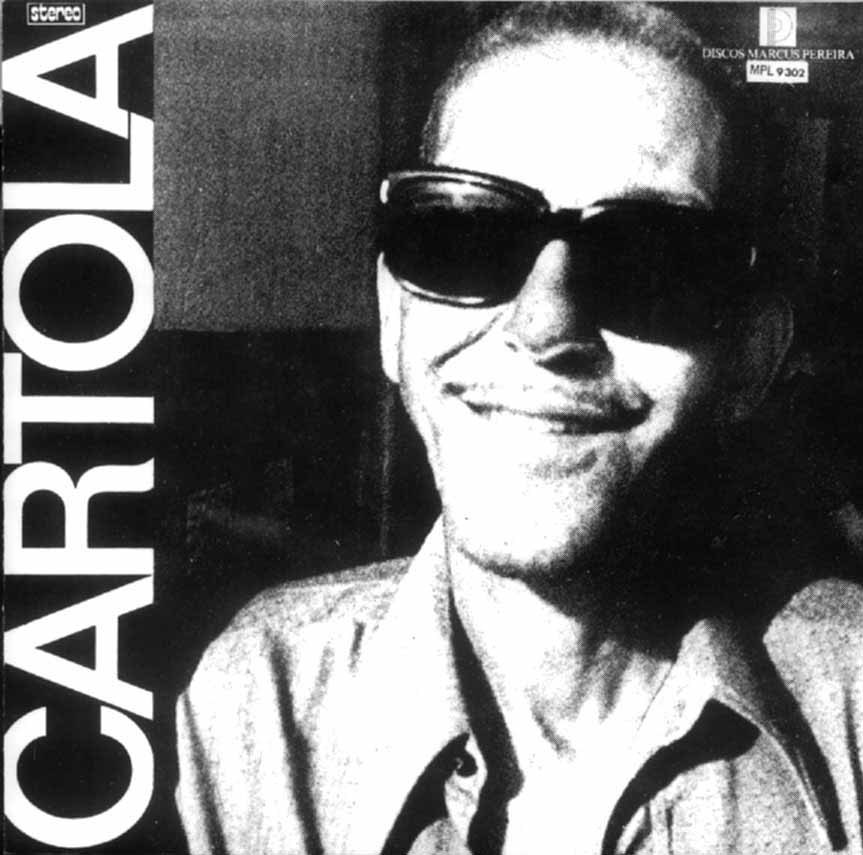
 View Artist