Song Meaning
The lyrics paint a picture of someone trying to escape the mundane and painful aspects of their daily life by immersing themselves in the vibrant, albeit artificial, world of the "night town." The narrator feels trapped by a "stifling everyday" and a sense of "chronic anesthesia," seeking a way out. This escape, however, is portrayed as fleeting and ultimately isolating, leaving them feeling like a mere "extra" in their own existence, "drowning" in a sea of anxiety and inferiority.
The core tension lies in the contrast between the dazzling allure of the city at night and the profound loneliness and self-loathing experienced within it. The "neon" that "drinks the night" becomes a metaphor for this overwhelming, consuming artificiality, while the "bitter empty cans" and "accumulated inferiority" represent the residue of this experience. The narrator feels both drawn to and repelled by the "sparkling city lights," which ultimately "scorn" and leave them "alone in the room," a solitary figure swallowed by the darkness.
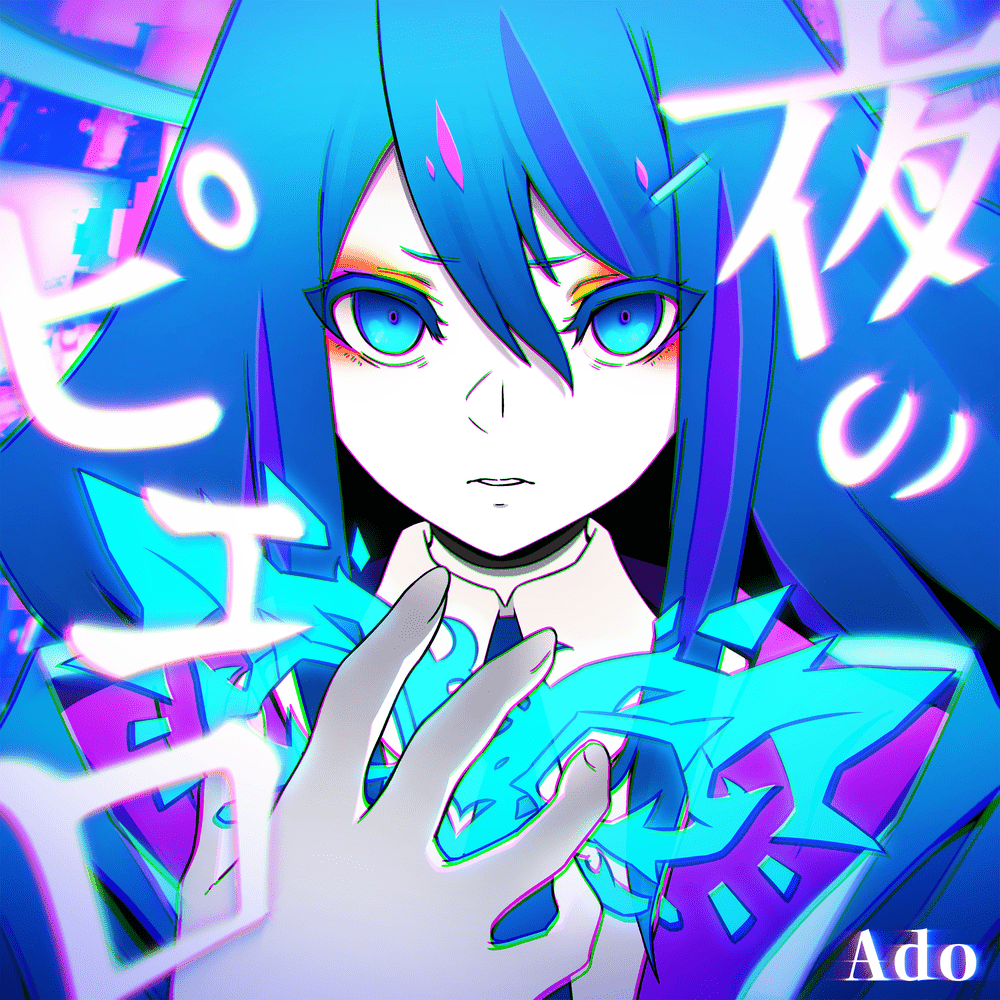
A striking element is the recurring image of the "clown" in the post-chorus, "laughed at and laughing." This suggests a performance, a mask worn to navigate the night, but one that highlights the narrator's internal disconnect and self-mockery. The "streetlights" that "go out" and the narrator who "sinks into the night" further emphasize a descent into oblivion or a loss of self, a poignant end to the attempt to find solace in the nocturnal cityscape.
Ultimately, the effectiveness of these lyrics stems from their raw portrayal of urban alienation and the desperate search for meaning in superficial brightness. The writing captures a specific, melancholic mood, where the external spectacle of the night only amplifies internal emptiness. The imagery of being "scorned" and becoming a "shadow" powerfully conveys the feeling of invisibility and insignificance that can accompany the pursuit of escape in a dazzling, yet indifferent, world.
 View Artist