Song Meaning
The lyrics paint a stark picture of existential weariness, where the "blue of the sky" might just be the residue of tears. The narrator grapples with the heavy weight of societal expectations and personal pride, suggesting that even the most mundane aspects of life feel burdensome under such pressure. There's a palpable sense of being "painted in opaque colors," yearning to cast off everything and find release.
The central tension lies in the conflict between the desire for a "satisfying way to live" and the realization that such a thing, like death itself, is subjective and perhaps unattainable. The lyrics question the necessity of external validation when "no one's voice is needed," highlighting a profound isolation. This feeling is amplified by the observation that adults seem unable to return to childhood, instead "raining" their own unresolved issues, while younger generations hide their innocence under pressure, all under the same vast, indifferent sky.
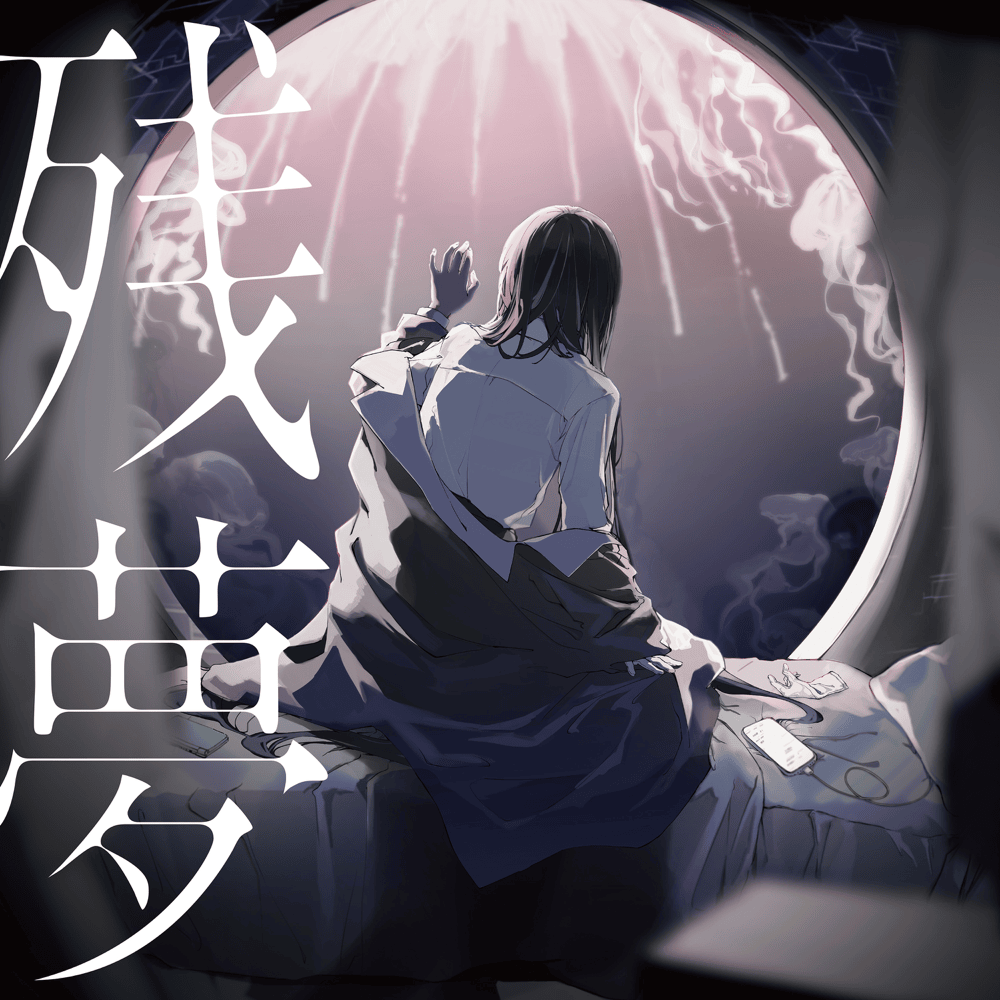
A striking craft element is the recurring imagery of transformation and emptiness. The desire to "drown in the impulse of a chrysalis" and the contemplation of a "cocoon pile" suggest a yearning for a state of being before full emergence, a space of potential or even just void. The repeated phrase "抜け空" (nukegara), meaning an empty shell or husk, becomes a powerful metaphor for shedding the burdens of identity and expectation, embracing a state of pure, unburdened existence, even if it means "erasing the peace of the night" and facing the morning "while crying."
 View Artist