Song Meaning
The lyrics paint a picture of someone grappling with anxiety, using digital metaphors to navigate their feelings. The opening lines, "陽気が吹く不安が" (anxiety that blows cheerfully) and "行き 逃げ 去った月の裏側に行こう" (let's go to the other side of the moon where it fled), immediately establish a surreal, almost whimsical tone for internal struggle. The narrator seems to be trying to escape or distance themselves from this pervasive unease, seeking refuge in a digital space symbolized by "未読の光" (unread light) and the actions of "タップ スワイプ スワイプ" (tap swipe swipe).
The central tension lies in the push and pull between wanting to escape and the inevitability of facing challenges. While the narrator expresses a desire to "遠ざかる端っこに座ったままでいたいよ" (want to stay sitting on the receding edge), they also acknowledge the need to move forward, even if it means getting lost: "どうせなら 見失っても遠くまで行こうよ" (If we're going to, let's go far even if we lose sight). This duality highlights a hesitant bravery, a willingness to confront the unknown despite the fear.
The lyrics masterfully employ the contrast between internal states and external actions, particularly through the recurring motif of "未来" (future). The chorus shifts from "あなたはもう未来に近い" (you are already close to the future) to "今はもう未来の前にいる" (now I am already in front of the future), suggesting a progression from observation to active participation. The imagery of "風を蹴って飛び乗ろう" (kick the wind and jump on) and "風を切って飛び込もう" (cut the wind and dive in) powerfully conveys a sense of decisive action and embracing the unknown.
Ultimately, the effectiveness of these lyrics stems from their ability to translate abstract emotional states into tangible, albeit slightly surreal, imagery. The blend of digital interaction, natural elements like wind and flowers, and the constant forward momentum creates a unique emotional landscape. The repeated affirmation "ハロー世界" (hello world) acts as a grounding mantra, a way to acknowledge the vastness of existence and one's place within it, even amidst the "花嵐" (flower storm) of difficulties, suggesting a path toward acceptance and resilience.
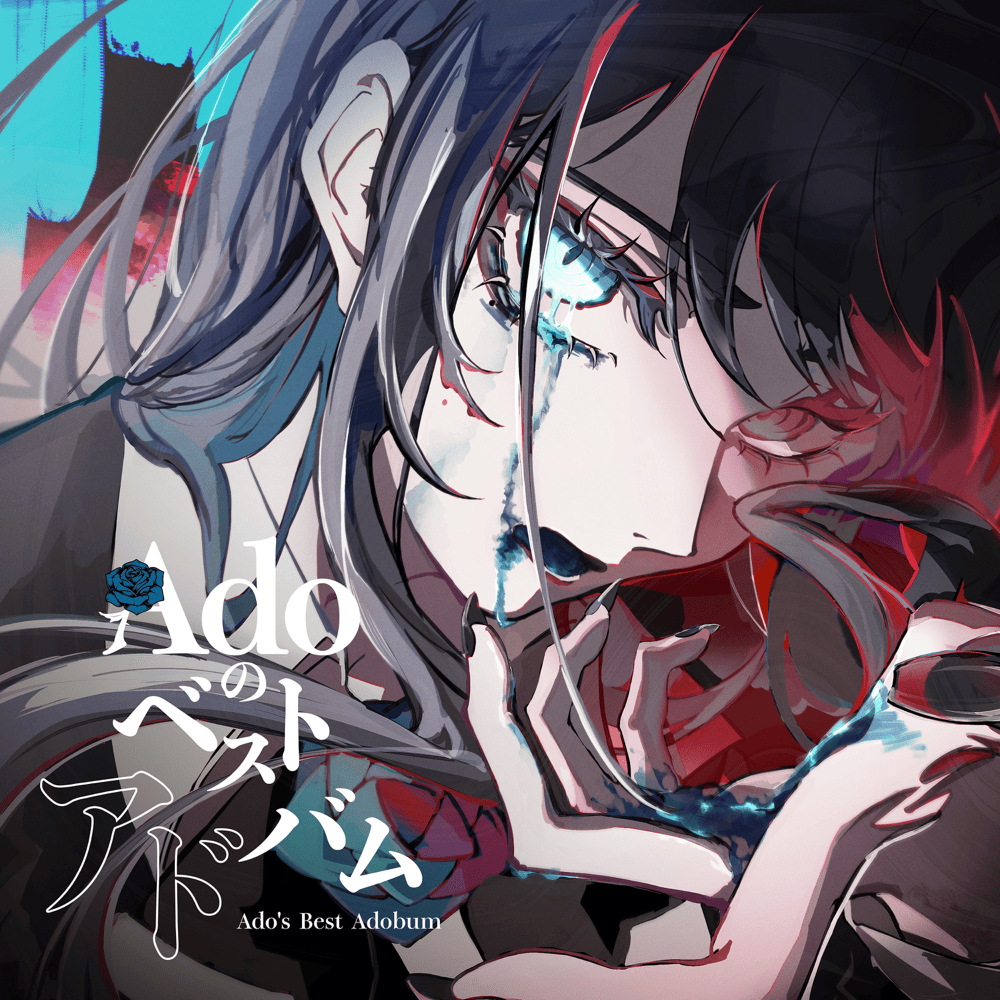
 View Artist