Song Meaning
The lyrics paint a picture of someone deeply infatuated, willing to accept any circumstance as long as it involves the object of their affection. There's a striking passivity, a readiness to "follow" and "borrow" love, suggesting a dynamic where the narrator's own desires are secondary. The repeated phrase "Do what you wanna do" establishes this theme of unresisting devotion from the outset.
The central tension lies in the narrator's self-proclaimed "luck" versus the apparent precariousness of the situation. They declare themselves "lucky" even if the other person is "laughing with someone else" or "lose what you thought you had." This framing of good fortune feels like a coping mechanism, a way to reframe potential pain into a positive outcome, highlighting a deep-seated insecurity or perhaps a profound, if unconventional, form of acceptance.
The most compelling craft element is the juxtaposition of the narrator's passive acceptance with the other person's potential actions. The lyrics "I can't stop you" and "If you go it's alright" underscore the narrator's lack of control, yet they consistently label this situation as "lucky." The final lines, "An out of focus picture of somebody we used to be," introduce a poignant layer of nostalgia and uncertainty, suggesting that perhaps this current state of being is a faded echo of something more substantial, or that the perception of the other person is itself blurred.
This writing is effective because it captures a specific, almost melancholic brand of devotion. It’s not about grand gestures, but about finding a strange peace in uncertainty and conditional presence. The narrator’s ability to label even the most ambiguous or potentially painful scenarios as "lucky" creates a complex emotional resonance, making the listener question the nature of happiness and attachment.
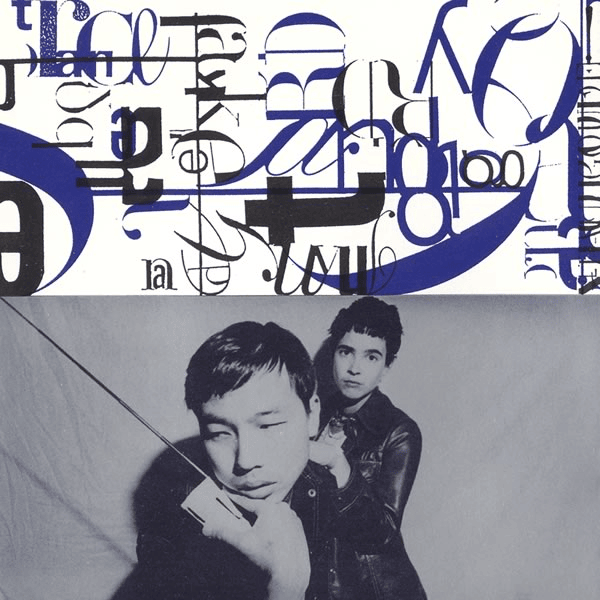
 View Artist