Song Meaning
The lyrics paint a picture of a relationship caught in a loop of stagnant affection and fading passion. The opening lines, "Nous pourrions passer notre vie / À nous regarder sourire," suggest a superficial contentment, a life spent observing each other without deeper engagement. This is immediately undercut by the repeated, almost weary, "Et après?" – a question that hangs heavy with unspoken dissatisfaction and a sense of time passing without real progress. The narrator seems to be grappling with the quiet erosion of intimacy, a feeling amplified by the "litanies / Du regret" that fill the void.
The central tension lies in the struggle between resignation and a desperate plea for renewed connection. The image of "un peu d'amour qui s'effiloche" captures the fragile state of their bond, something precious but fraying at the edges. Yet, this decay is met with an insistent call to action: "Prends ma main." The narrator is trying to pull the relationship back from the brink, urging a return to a more vibrant past, a desire to "Tournons-nous vers nos 20 ans." This yearning for lost youth and passion clashes with the present reality of "cendres d'amertumes."
The most striking craft element is the pervasive use of repetition, particularly the insistent "Et après?" and "Pour demain." These phrases create a sense of cyclical despair, highlighting the feeling of being trapped. The contrast between the idealized past of "nos 20 ans" and the present "feu de bois" that leaves them "Satisfait" – a satisfaction that feels hollow, leading to silence and bitterness – is stark. The shift from resigned silence to a determined "Mais tournons vites ces pages noires" and the final, hopeful "Il nous faudra beaucoup y croire / Désormais" marks a crucial turning point, a conscious effort to rewrite their narrative.
Ultimately, the lyrics resonate because they articulate the quiet anxieties of long-term relationships: the fear of drifting apart, the struggle to recapture lost sparks, and the conscious choice required to keep love alive. The writing effectively uses simple, direct language and evocative imagery like "amour qui s'effiloche" and "cendres d'amertumes" to convey a profound sense of emotional weariness and the fragile hope that can emerge from it. The repeated questions and affirmations underscore the internal battle between giving up and fighting for the relationship's future.
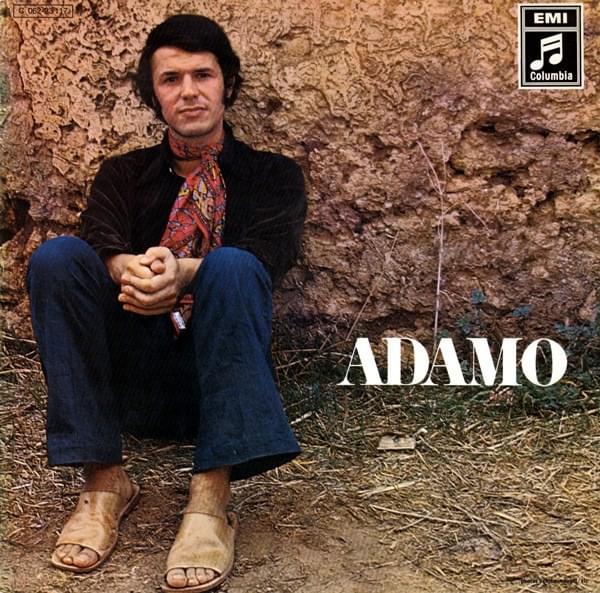
 View Artist