Song Meaning
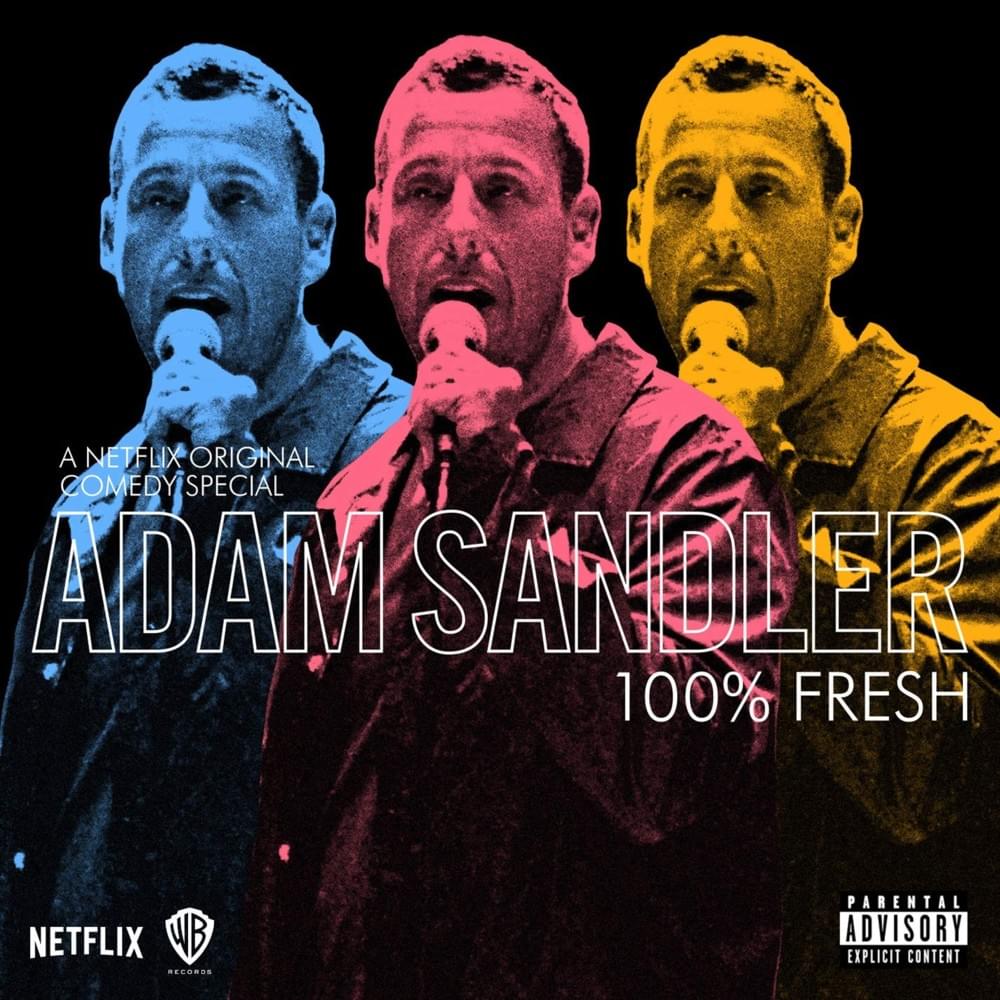
Adam Sandler's "9:30" isn't a song in the traditional sense; it's a raw, unfiltered comedic monologue distilled from the trenches of parenthood. It's a sentiment universally understood by anyone who's experienced the relentless demands of raising children: that razor's edge between boundless love and utter exhaustion. The brilliance lies not in complex musicality, but in Sandler's brutally honest articulation of a parent's breaking point. He pinpoints that specific hour, 9:30 PM, as the Rubicon – the moment when parental reserves are depleted, and the endless stream of questions and needs becomes almost unbearable. It speaks to the psychological toll of constant availability and the pressure to provide answers, even when you're drawing a blank.
Sandler taps into the inherent absurdity of modern parenting. The expectation to be an all-knowing oracle for your children, ready to deliver insightful answers on subjects ranging from marine biology to existential philosophy, is a ridiculous burden. His exasperated delivery of, "Are whales smart, Daddy?" followed by the hilariously fabricated response, exposes the performative aspect of parenthood. We're all just winging it, desperately trying to sound like we know what we're talking about, all while battling sleep deprivation and the crushing weight of responsibility. The humor derives from this shared, unspoken reality.
Ultimately, "9:30" is a testament to the push and pull of parental love. It's not a condemnation of children; it's an acknowledgment of the very human limits of patience and energy. It's about the struggle to maintain your sanity and sense of self in the face of relentless demands. The beauty of Sandler's comedic timing and delivery is that he manages to find the funny in the frustrating, creating a moment of connection and catharsis for weary parents everywhere. It's a reminder that it's okay to admit that sometimes, even with all the love in the world, you just need a fucking break.
 View Artist