Song Meaning
Adam Green's "Engine Of Paradise" isn't a straightforward hymn to Eden; it's a wry, slightly cracked plea for connection in a world that feels increasingly simulated. The opening lines paint a picture of a potential utopia, a "3D model" where idealized versions of past loves possess the artistic talents lacking in reality. This immediately establishes a tension between the real and the imagined, a longing for a perfected existence that's just out of reach. The desire for these idealized figures suggests a dissatisfaction with genuine human relationships, a preference for curated, flawless interactions.
The repeated refrain, "I needed someone to trust / 'Cause everybody should give themselves up / Whenever endings begin," points to a surrender of the ego as a prerequisite for accessing this paradise. The phrase "pregnant voices, they turn yourself in" evokes a sense of rebirth or transformation, hinting that this surrender leads to a new, albeit potentially unsettling, state of being. Green isn't necessarily advocating for literal self-annihilation but rather a shedding of defenses and preconceived notions. The "engine of paradise" itself becomes a metaphor for this process – a mechanism that requires vulnerability and a willingness to dismantle one's ego in order to function.
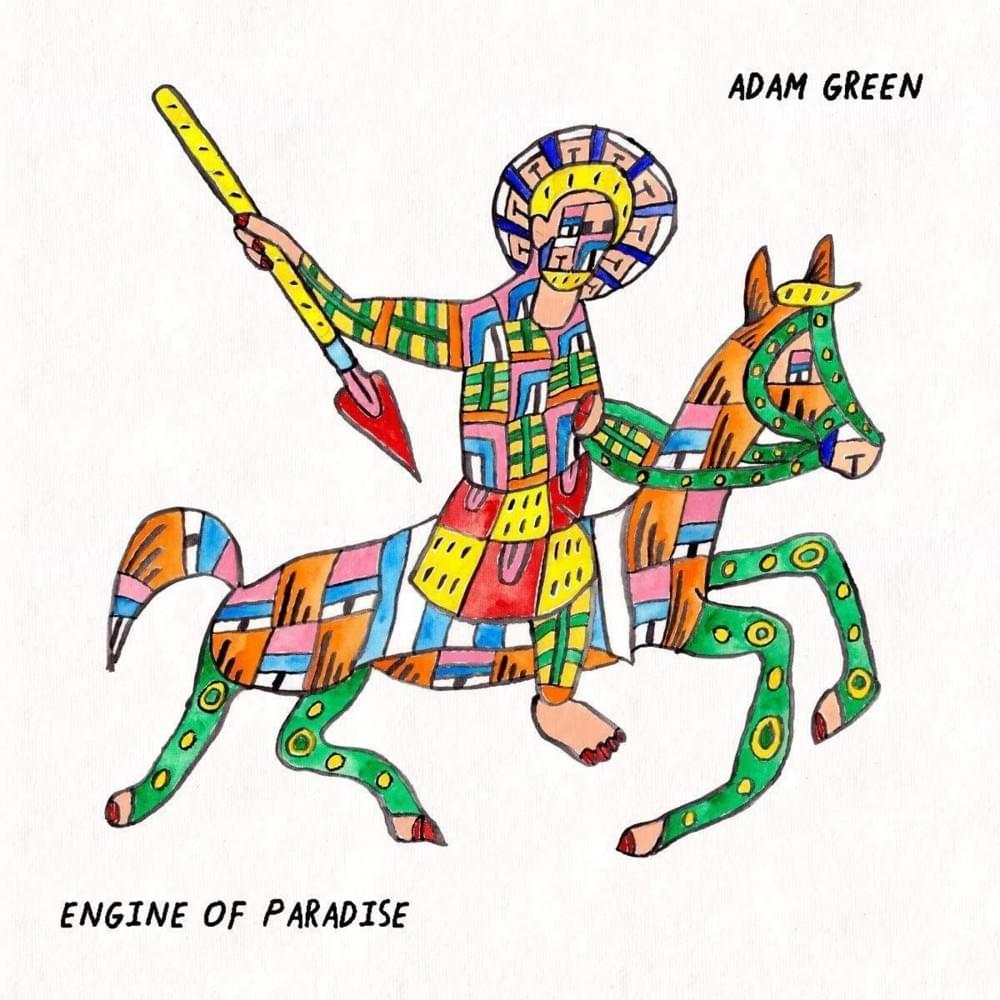
The verses with lines like "Take your orbs and your chariots / Spear my wounds and my bibles" further reinforce this idea of willingly submitting to a higher power or force. The speaker is asking to be confronted, challenged, even wounded, in order to be transformed. The request to "read the world for me / And dismantle my phone" is a poignant commentary on our reliance on technology as a filter for experience. Green seems to be suggesting that true understanding and connection can only be achieved by breaking free from these digital distractions and allowing someone else to guide us, to interpret the world without the mediating influence of our devices. Ultimately, "Engine Of Paradise" explores the paradoxical nature of seeking solace and transcendence in a world that often feels synthetic, suggesting that true paradise requires a painful but necessary surrender of the self.
 View Artist