Song Meaning
The lyrics paint a picture of a push-and-pull dynamic, where one person is persistently trying to connect while the other seems to be resisting, yet also perhaps inviting the interaction. The narrator repeatedly calls and tries to engage, but is met with tears and pleas to be left alone. This creates an immediate tension between desire and rejection, a confusing dance of wanting closeness while being told to stay away. The phrase "try this for sighs" itself is ambiguous, suggesting an attempt to elicit a reaction, perhaps one of exasperation or longing, from the other person.
The central conflict appears to be the narrator's persistent pursuit versus the other person's apparent distress and desire for solitude. The narrator states, "I like your face you dig my eyes" and later "You like my face I dig your thighs," indicating a mutual attraction or at least an acknowledgment of physical appeal. However, this is consistently juxtaposed with the other person's crying and the repeated "Leave me alone." The narrator's willingness to "call it love" if pushed suggests a pragmatic, perhaps even cynical, approach to the relationship, willing to label it if it serves a purpose, despite the evident emotional turmoil.
A striking element is the repetition of "cry" and "Leave me alone, leave me alone." These phrases anchor the emotional landscape, highlighting the other person's distress and the narrator's frustration or perhaps even their own emotional detachment. The narrator's assertion "I can smell your lies" adds another layer, suggesting a suspicion that the tears or pleas to be left alone might not be entirely genuine, or that there's a deeper game being played. This makes the narrator's own declaration "Baby I'll do it" (referring to calling it love) feel less like genuine affection and more like a calculated move.
What makes these lyrics so effective is their raw, almost transactional portrayal of a relationship fraught with mixed signals and emotional manipulation. The narrator's bluntness, coupled with the other person's apparent vulnerability and the narrator's suspicion of deceit, creates a compelling, uncomfortable intimacy. The ambiguity of "try this for sighs" leaves the listener wondering about the true intentions and the underlying emotional stakes, making the interaction feel both specific and universally recognizable in its messy complexity.
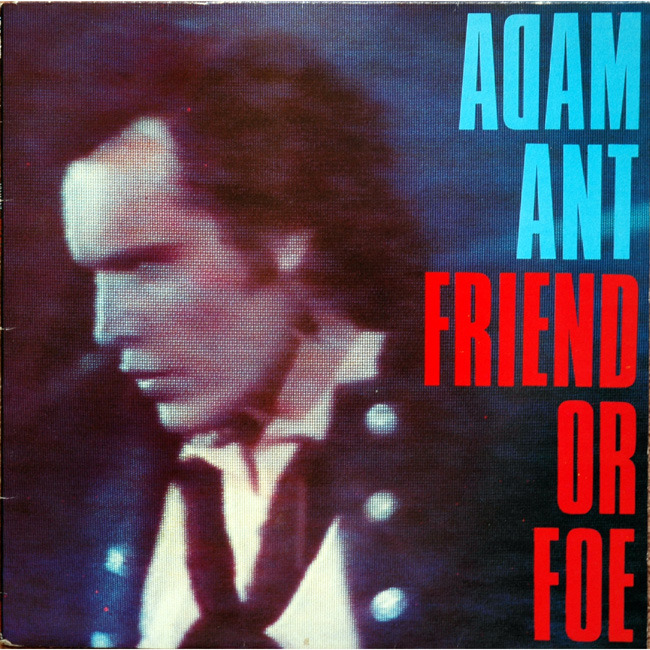
 View Artist