Song Meaning
The narrator pleads with the night to linger, begging for dawn not to break. There's a palpable sense of urgency, a desperate desire to hold onto the present moment, whatever its nature. The plea, "Stanite noći moje" (My nights, stand still), sets a tone of intense, almost defiant, clinging to the darkness before the inevitable arrival of day.
The core tension lies in the narrator's fear of what dawn will reveal or necessitate. They are caught between the allure of the present, described as a moment of love and memory, and the looming consequences of its end. The line "Tako se duša brani / Kada ljubavi joj nedostaje" (This is how the soul defends itself / When it lacks love) suggests a profound emptiness that this fleeting connection is trying to fill, making the prospect of its end even more agonizing.
The most striking element is the narrator's preemptive deflection in the chorus: "A kada svane kriviću kafane" (And when dawn breaks, I'll blame the taverns). This isn't just about avoiding responsibility; it's a calculated attempt to externalize blame for a situation where someone waited for them while they were elsewhere, presumably indulging in the night. The repetition of this promise to swear "Da mi je ona jedna jedina" (That she is my one and only) highlights a potential disconnect between their actions and their declarations, a desperate performance of devotion.
This lyrical construction is effective because it taps into the universal human experience of wanting to prolong pleasure and avoid difficult truths. The narrator’s strategy of blaming external forces like
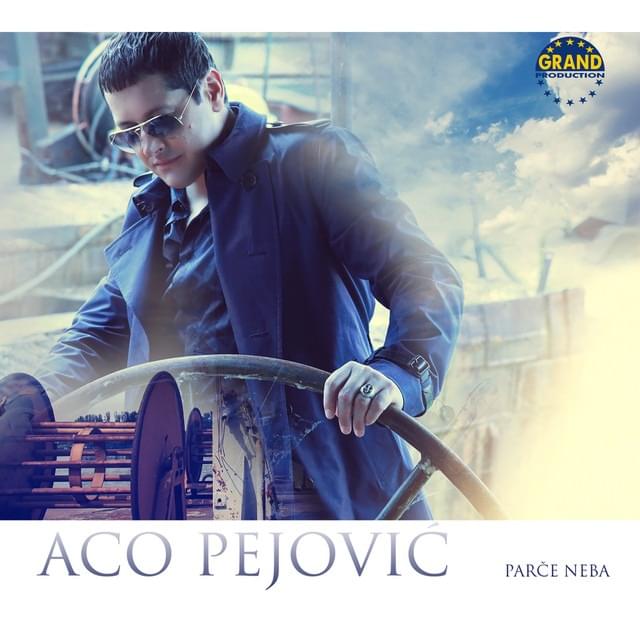
 View Artist