Song Meaning
Ace Enders’ "Dark Weather" isn't just a meteorological report; it's a stark emotional landscape rendered in sound. The lyrics suggest a relationship navigating doubt and the unknown, a space where validation is craved but trust is fragile. The opening lines, "I think your name at sunrise / You tell me I have grown, but you don't know what you don't know," immediately establish this dynamic of seeking affirmation from someone whose understanding is perceived as limited. There’s a yearning for belief, a desire to see oneself through another’s eyes, even if those eyes might not fully grasp the whole picture. This hints at a deeper insecurity, a questioning of self that relies on external validation, a common psychological thread.
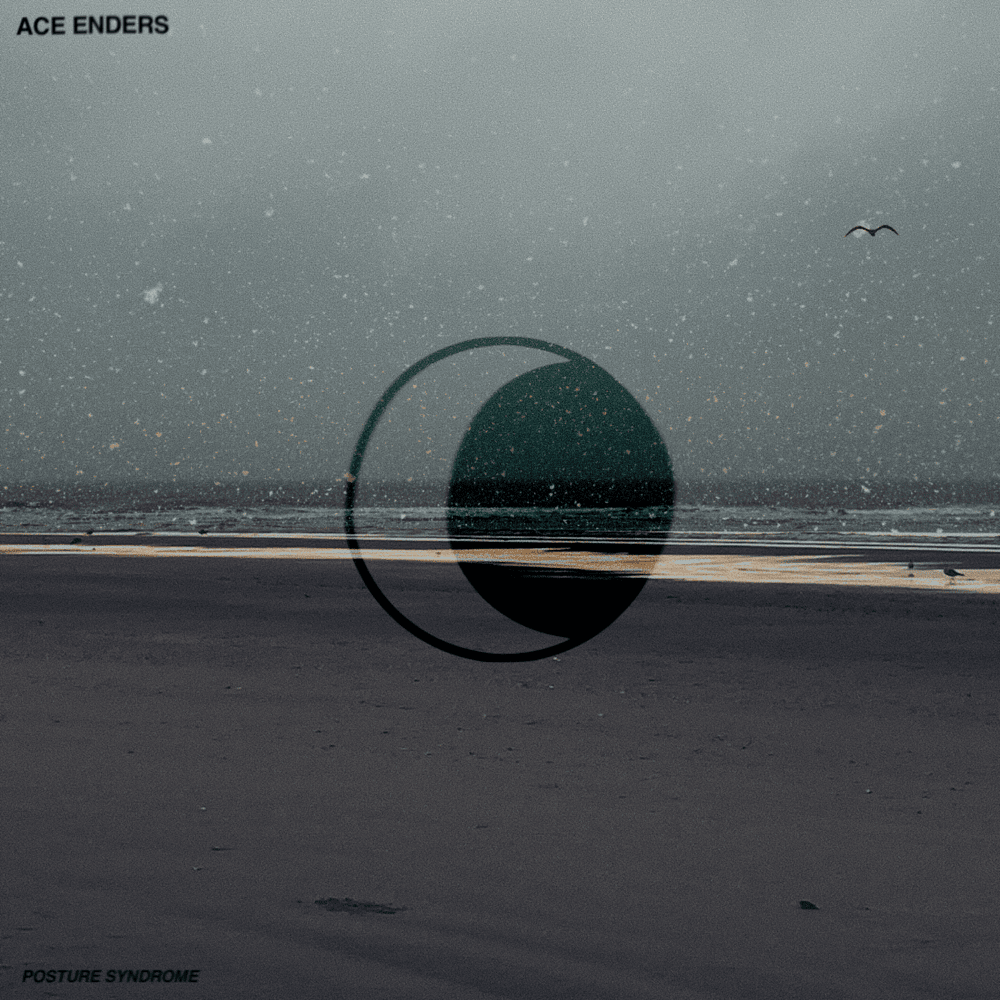
The recurring "cold, dark weather" functions as both metaphor and anchor. It represents the emotional chill, the uncertainty that permeates the relationship. But it's not a passive resignation. The repeated plea, "If we stand together, maybe we could find some warmth," suggests a proactive attempt to combat this emotional coldness through shared vulnerability and intimacy. The shift from "arms" to "hearts" in the final iteration of this line marks a deepening of this connection. It's no longer just about physical closeness, but about finding warmth at the core of their beings.
"Lost in the twilight, in the yellow glow, because you don't know what you don't know" speaks to a liminal space, a place of ambiguity where clarity is elusive. The "yellow glow" could be a fading hope, a memory, or even a distorted perception of reality. Enders captures the essence of a relationship struggling to find solid ground amidst the shifting sands of uncertainty. The line "The temperature is falling, and you're the better air to wake me up / I need you there" is a powerful expression of dependence and the necessity of the other person for emotional survival. "Dark Weather" ultimately paints a picture of a relationship where warmth is not a given, but a hard-won victory in the face of internal and external doubts.
 View Artist