Song Meaning
The lyrics paint a picture of resigned finality, a point where communication has ceased and action is the only recourse. The narrator declares, "There's nothing left to say," and "Nothing you could do," establishing a sense of absolute closure in a situation involving "you." This isn't a plea or a negotiation; it's a statement of fact, a recognition that a particular dynamic has reached its end. The repeated phrase "keep moving on" suggests an encouragement for the other person to progress, implying the narrator's own stagnation.
The central tension lies in the narrator's paradoxical state of being "suffered" and "done" while simultaneously "waiting." This waiting isn't passive hope but an active, perhaps weary, endurance. The countdowns ("Three, two, one, go!") interspersed with the "Big choon, big choon" drops inject an unexpected, almost anticlimactic energy. It feels like the moment of departure or transition is being marked with a celebratory, albeit generic, musical cue, contrasting sharply with the narrator's internal exhaustion.
The most striking craft element is the juxtaposition of the deeply personal, almost somber declaration of being "suffered" with the impersonal, energetic drops. The repetition of "There's nothing left to say" hammers home the finality, while the repeated "waiting here for— You" acts as a lingering, unresolved anchor. The lyrics suggest a scenario where one person is moving forward, perhaps even with external encouragement, while the narrator remains tethered to a past or a person, marked by this persistent, almost ritualistic waiting.
This creates an emotional resonance through its stark portrayal of emotional exhaustion and the strange, almost detached way the end of a significant interaction is acknowledged. The contrast between the narrator's internal state and the external cues of "go" and "big choon" highlights a feeling of being stuck while the world, or at least the other person, moves on. It's the quiet, internal suffering set against an almost oblivious external fanfare.
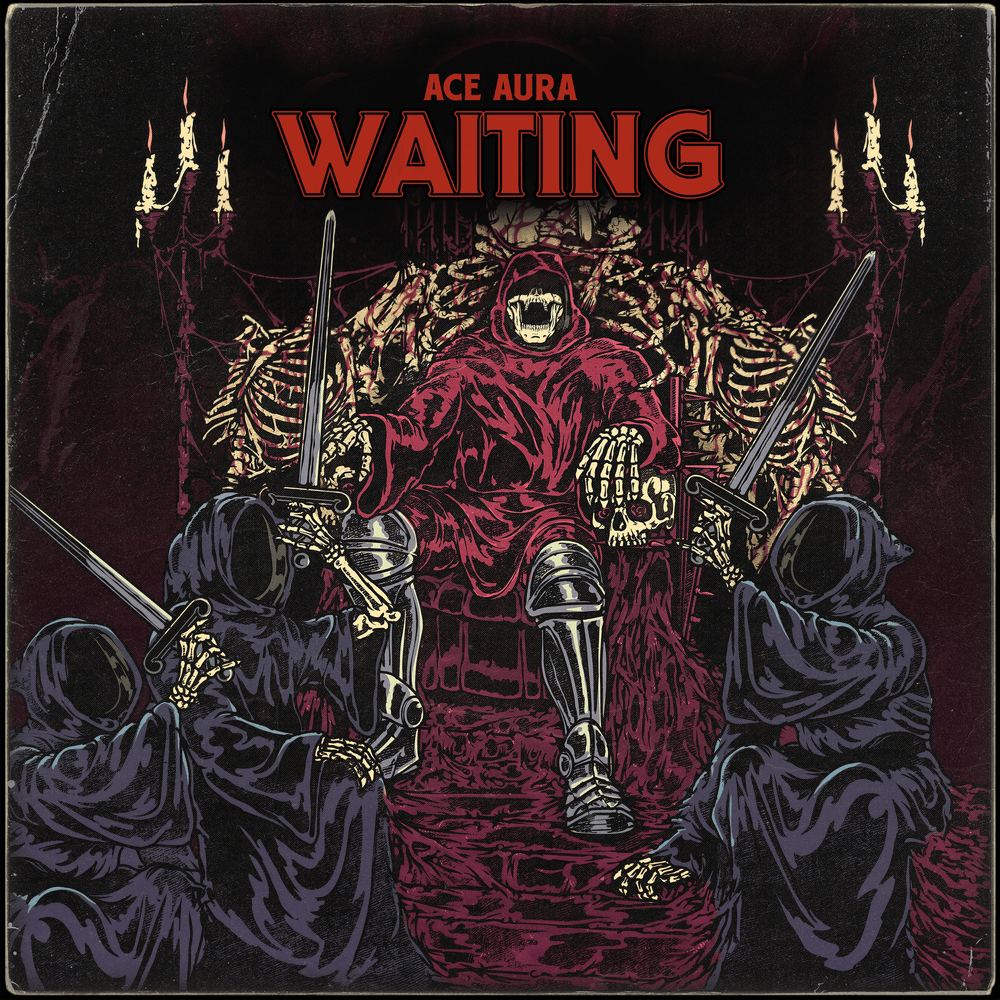
 View Artist