Song Meaning
The lyrics paint a picture of a relationship where affection is expressed through a recurring, almost ritualistic term of endearment: 'liefje' (sweetheart). This repeated address, 'Ze zegt steeds 'liefje'', forms the bedrock of the narrative, creating a sense of routine. However, beneath this surface of tenderness, a palpable tension emerges. The narrator's partner uses the same affectionate term to deliver criticisms and commands, like 'Liefje dat is fout' and 'Liefje je moet'. This juxtaposition highlights a disconnect between the loving address and the critical content, suggesting a dynamic where endearment is weaponized or at least used to soften harsh directives.
The core conflict seems to lie in the partner's growing dissatisfaction, hinted at by the stark admission, 'soms denk ik liefje, Was ik jou maar nooit getrouwd' (sometimes I think sweetheart, I wish I'd never married you). This line, delivered with the same 'liefje', is particularly jarring. It transforms the term from a simple term of endearment into a bitter irony, underscoring the depth of her regret. The subsequent commands, 'Liefje doe nou niet' (sweetheart don't) and 'Liefje hou eens op' (sweetheart stop), become more insistent, culminating in the desperate plea, 'Liefje doe dat nooit, nooit meer' (sweetheart never, never do that again).
The most striking aspect of the writing is the relentless repetition of 'liefje' and the commands. This creates an almost suffocating atmosphere, mirroring the partner's perceived entrapment and frustration. The shift from gentle 'lief' to the more demanding 'liefje' and then to outright commands like 'Hou nou eindelijk eens je kop' (finally shut your mouth) reveals a gradual erosion of patience. The repeated 'nooit, nooit meer' emphasizes the severity of whatever transgression has occurred, leaving the listener with a sense of unresolved conflict and emotional exhaustion.
This lyrical construction is effective because it uses the very language of affection to convey deep unhappiness and frustration. The constant 'liefje' becomes a sonic representation of the relationship's stagnant core, where loving words are used to mask or deliver painful truths. The listener is left to grapple with the complex emotional landscape of a relationship where affection and resentment are inextricably, and painfully, intertwined.
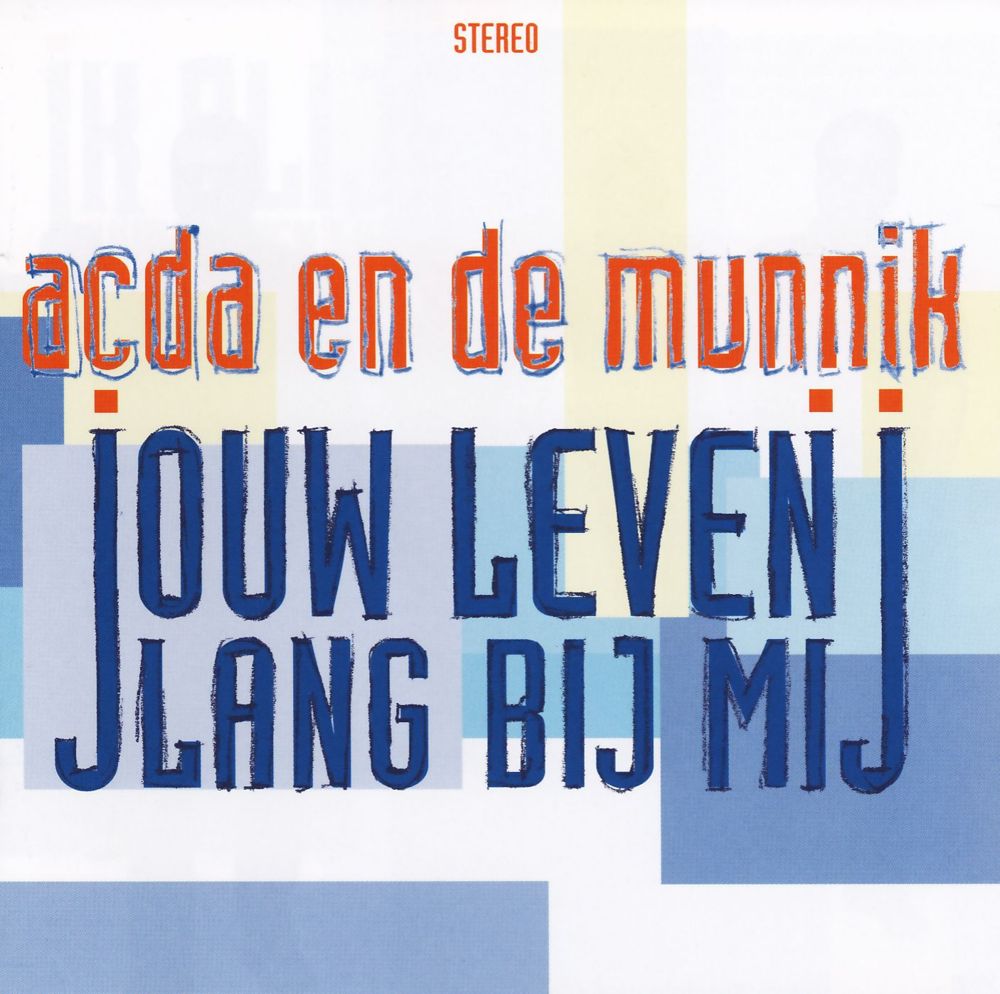
 View Artist