Song Meaning
The lyrics paint a picture of a primal, almost instinctual existence, where actions and feelings are "elemental." The opening lines establish a sense of inevitability, suggesting that certain events or states of being are as natural and unavoidable as the setting sun. This raw, fundamental quality is reinforced by the idea that "someone was delivered" after a "long day," hinting at a difficult birth or emergence into this elemental state. The tone feels resigned, almost weary, as if acknowledging a force beyond personal control.
The central tension seems to lie between an outward presentation and an inner reality. The narrator admits, "It's not my way, true, to show a best side for you," suggesting a reluctance or inability to conform to expectations. This is juxtaposed with the effort expended: "I fought my way through to the west side for you." This struggle, undertaken "not because I wanted to," implies a sense of obligation or external pressure driving their actions, creating a conflict between personal inclination and imposed duty.
The most striking imagery arrives with the declaration, "Deeper than the daylight / Like a werewolf." This comparison introduces a hidden, perhaps darker, nature that operates beneath the surface, only revealed or activated under specific conditions, much like a werewolf's transformation. The phrase "There's someone on the inside" further emphasizes this duality, suggesting an internal struggle or a hidden self that is intrinsically tied to this elemental state. The repetition of the core struggle in the chorus underscores the persistent nature of this internal conflict and the external actions it compels.
Ultimately, the effectiveness of these lyrics stems from their stark portrayal of an unavoidable, elemental force shaping behavior and identity. The contrast between the narrator's admission of not wanting to "show a best side" and the admission of fighting "to the west side" for someone creates a compelling sense of reluctant sacrifice. The werewolf metaphor powerfully captures the feeling of an inner self that is both intrinsic and potentially uncontrollable, making the narrator's actions feel less like choices and more like primal responses to an internal and external landscape.
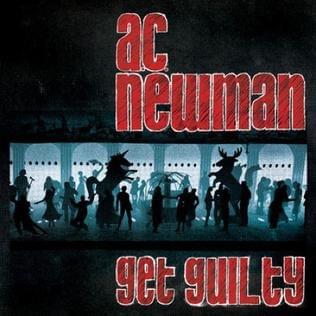
 View Artist