Song Meaning
The lyrics paint a stark, almost dystopian picture of isolation and existential dread. A "stranger in the night" is introduced, immediately characterized by loneliness and a searching gaze. This figure is then repeatedly addressed, their silent questions amplified by the narrator's own.
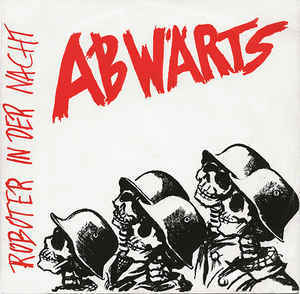
The central tension emerges from the juxtaposition of "Fremder in der Nacht" (stranger in the night) and "Roboter in der Nacht" (robot in the night). The initial sense of human alienation shifts to a more chilling, mechanical existence. The repeated questions, "Willst du auch du den Weg in die Versuchung wagen?" (Will you also dare the path to temptation?) and later, more grimly, "Willst auch du die last des Sterbens tragen?" (Will you also bear the burden of dying?), suggest a profound lack of agency and a descent into a meaningless cycle.
The most striking craft element is the relentless repetition of "Roboter in der Nacht." This phrase transforms the initial "stranger" from a potentially relatable figure of loneliness into something dehumanized and programmed. The shift from "temptation" to the "burden of dying" and the "next shitty place" ("nächsten Scheißhaus") underscores a bleak trajectory, stripping away any romanticism and leaving only a sense of inescapable, robotic repetition.
This lyrical construction is effective because it builds a suffocating atmosphere of despair through simple, direct language and insistent rhythm. The transformation of a human stranger into a night-bound robot, trapped in a loop of grim questions, creates a powerful, unsettling image of modern alienation and the fear of a life lived without genuine choice or purpose.
 View Artist