Song Meaning
The lyrics present a fragmented conversation, or perhaps a series of internal reflections, centered on a deep, unfulfilled longing. A speaker grapples with unspoken truths and the emotional distance from someone they profoundly miss. There's a palpable sense of resignation mixed with a desperate desire for connection.
The core tension lies in the speaker's transparent honesty contrasted with the other person's apparent guardedness. While the speaker declares, "it's you I miss," the other character seems to be struggling internally, perhaps with advice like "Use every chance you've been given." This creates a dynamic where one person is open, even vulnerable, while the other appears to be holding back, leading to a profound disconnect. The repeated observation that things are "easy to tell" becomes ironic, highlighting the very difficulty of expressing these complex emotions.
A striking element is the subtle shift in perspective, particularly the introduction of "she." Initially, advice is given to "you" by "she," but later, "She is told, but it doesn't make her smile." This suggests the "you" and "she" might be the same person, viewed from different angles, or perhaps the speaker empathizing with the other's internal struggle. This ambiguity deepens the emotional landscape, implying that the person being missed is not simply rejecting the speaker but is also wrestling with their own burdens. The direct contradiction "You know you lie awake" further underscores this hidden turmoil, revealing a person who outwardly appears calm but internally battles sleeplessness and unresolved feelings.
The lyrics effectively convey the ache of unrequited or complicated affection through raw, direct statements of longing. This emotional anchor is made more poignant by the recurring theme of time slipping away, with the stark realization that a resolution may never materialize. The effectiveness comes from juxtaposing the speaker's clear, unwavering feelings with the other person's internal conflict and the shared, unspoken understanding that a true connection remains elusive. This creates a powerful sense of melancholic realism, where both parties seem aware of the situation's inherent difficulty, yet remain trapped by it.
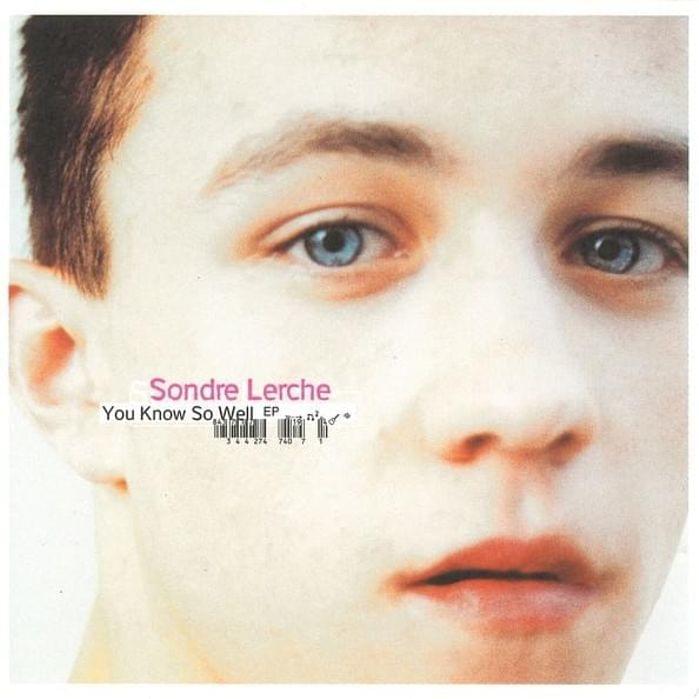
 View Artist