Song Meaning
The lyrics paint a picture of a beautiful world under a bright, divine sky, framing life as a joyful pilgrimage. The narrator observes the passage of time and the fading of generations, yet finds solace in the enduring nature of the soul's song. This suggests a spiritual perspective where earthly existence is transient but a celestial melody persists.
The central tension arises from the contrast between fleeting human life and eternal divine harmony. While "miespolvet vaipuvat unholaan" (generations of men sink into oblivion), the "taivainen sointu säilyy vaan" (heavenly harmony just remains). This highlights a profound sense of impermanence in the human experience set against a backdrop of unchanging spiritual truth.
The craft here leans into evocative imagery and a sense of sacred history. The reference to "Enkelit ensin / Paimenille lauloi" (Angels first / Sang to the shepherds) directly evokes the Nativity, linking the present spiritual journey to a foundational moment of divine revelation. This connection reinforces the idea that the "sielusta sieluhun kaiku soi" (echo sounds from soul to soul) is a continuous, divinely ordained transmission.
Ultimately, the lyrics resonate by offering a comforting spiritual framework for navigating life's impermanence. The beauty of the earth and the promise of a heavenly destination "armon" (grace) brought by Jesus provide a sense of peace and purpose, suggesting that the soul's journey, though through a transient world, is guided towards an eternal, harmonious destination.
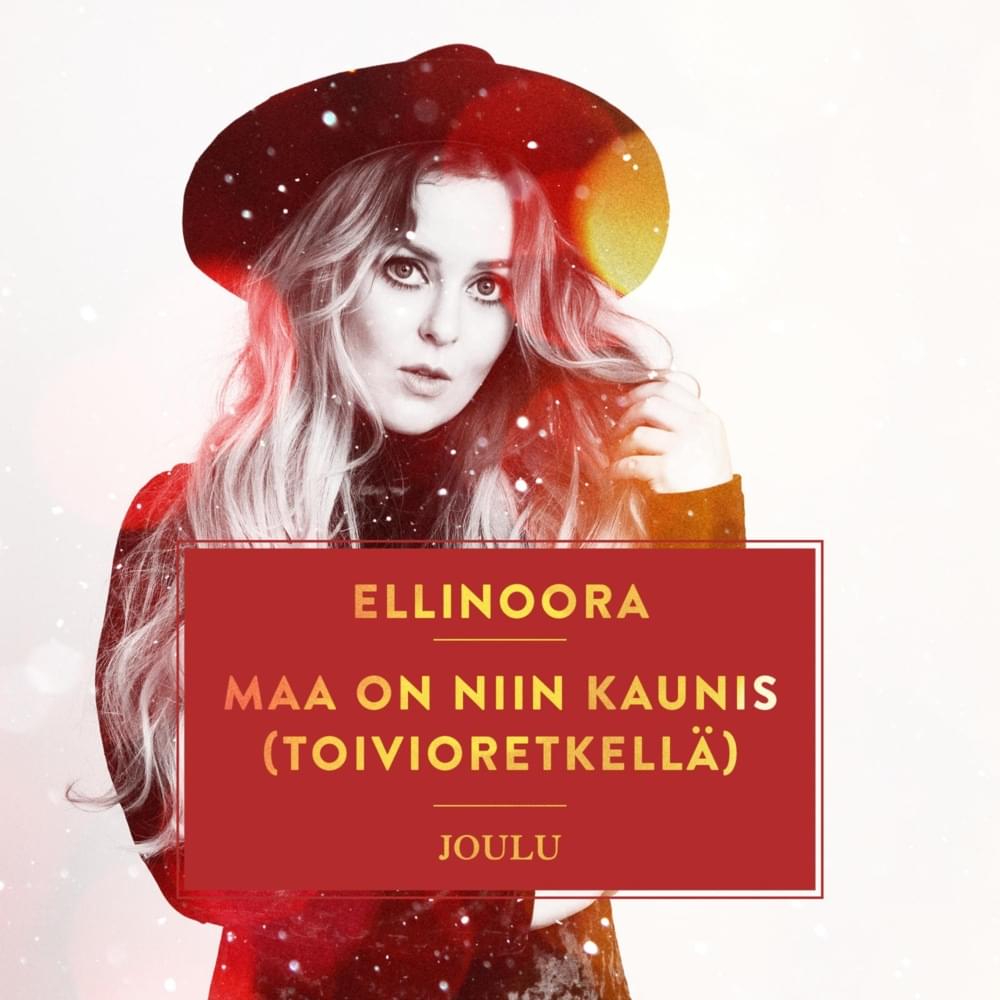
 View Artist