Song Meaning
The lyrics present a childlike narrative about potty training, framed by a spoken introduction that positions the song as a rare, sophisticated piece of 'better music.' This juxtaposition immediately sets up a playful tension between perceived artistic merit and the simple, almost absurd subject matter. The repeated phrase 'wee wee' functions as both the literal action and a kind of mantra, emphasizing the singular focus of the story. The narrator's initial resistance to using the 'wee wee pot' and subsequent relocation to the 'wee wee cot' highlights a common childhood struggle with new routines.
The central conflict emerges from the narrator's defiance of the potty-training process. The mother's escalating attempts to encourage the action – from gentle requests to the introduction of the 'wee wee cot' and finally, a spanking – underscore a parental struggle against a child's stubbornness. The repetition of 'wee wee a hell of a lot' after each stage suggests a delayed but ultimately forceful compliance, a small victory for the parent after a battle of wills. The spoken interjections, particularly the call to 'wee wee' together, transform the intimate, domestic scene into a communal, almost performative event.
The most striking element is the deliberate elevation of a mundane childhood experience through the spoken intro and the insistent repetition. The narrator's eventual compliance, marked by the spanking and then the final 'wee wee a hell of a lot,' is presented with a sense of resolution, albeit one achieved through discipline. The final spoken line, 'I'm glad I'm up here on the higher ground,' adds a layer of ironic triumph, suggesting the narrator has overcome this particular challenge and perhaps views it as a significant personal achievement.
This song's effectiveness lies in its commitment to a single, simple idea, amplified through repetition and a framing device that suggests deeper meaning. The contrast between the spoken introduction's claim of exclusivity and the song's basic content creates a humorous, almost Dadaist effect. It’s a miniature portrait of parental perseverance and childhood resistance, presented with a peculiar, almost absurd, sense of importance.
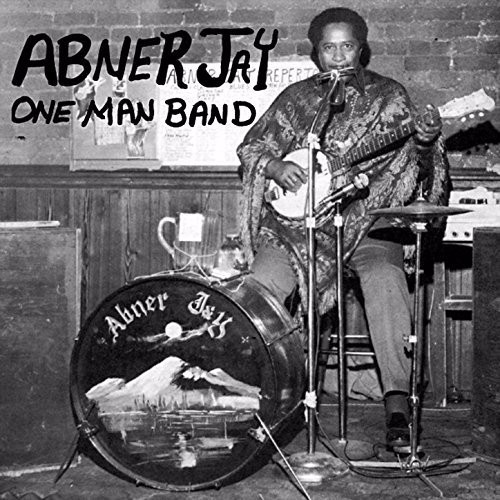
 View Artist