Song Meaning
The lyrics paint a picture of a world where genuine connection is rare, a stark contrast to the vibrant explosion of spring. The narrator observes a societal shift, noting that people seem to lack the time or inclination to truly see each other "por dentro" (inside). This sense of superficiality is amplified by the arrival of "primavera" (spring), a time traditionally associated with outward celebration and love, which paradoxically intensifies the narrator's own internal "desespera" (despair).
The central tension arises from this disconnect between the external world's renewal and the narrator's personal longing and fear. While "todo el mundo sale a la calle" (everyone goes out into the street) and "se festeja el amor" (love is celebrated), the narrator's heart aches. There's a palpable sense of urgency, a plea embedded in the chorus: "Ojalá nunca perdieras / Lo divino de tu voz" (I hope you never lose / The divine of your voice) and later, "Ojalá me des la mano / Y crucemos el dolor" (I hope you give me your hand / And we cross the pain). This isn't just about spring; it's about a specific person and the fear of losing something precious.
The most striking craft element is the juxtaposition of the grand, almost communal, awakening of spring with intensely personal, almost desperate, wishes. The repeated refrain, "Estalló la primavera," acts as a backdrop against which the narrator's intimate pleas are amplified. The imagery of a single "flor como detalle" (flower as a detail) during this widespread celebration highlights the narrator's focus on singular, meaningful connections amidst a generalized festivity. The shift from the past memory of a "baile de promesas y cuentos" (dance of promises and stories) to the present desire to "cruzar el dolor" (cross the pain) reveals a mature, albeit melancholic, understanding of love's complexities.
This writing is effective because it grounds abstract feelings of loneliness and yearning in concrete, relatable imagery of seasonal change and social observation. The narrator's vulnerability, expressed through direct wishes and fears about a specific voice and touch, makes the internal struggle resonate. The contrast between the external "colorido y febril" (colorful and feverish) world and the narrator's internal state of being "perdido en un sueño" (lost in a dream) or waking "antes de tiempo" (before time) captures a profound sense of isolation that feels both specific and deeply human.
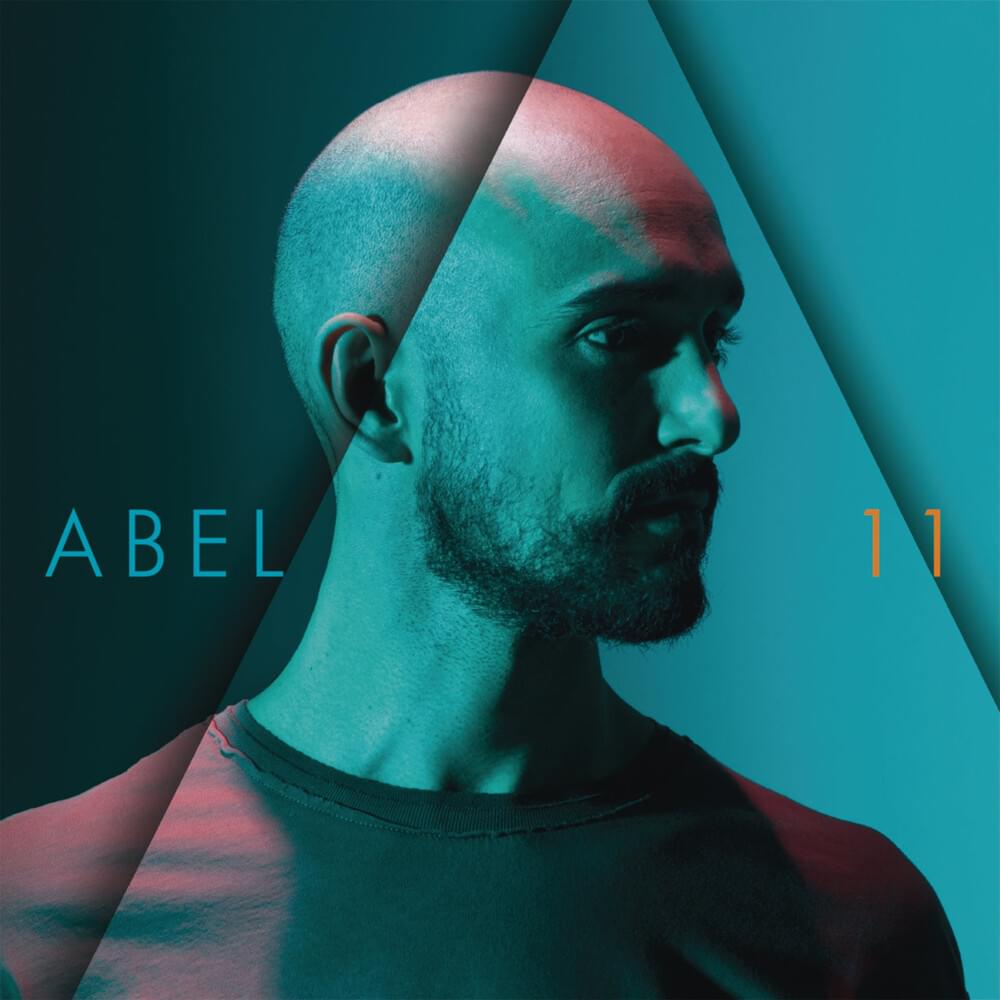
 View Artist