Song Meaning
The lyrics paint a picture of a society consumed by a pervasive, almost religious dread. There's a sense of inescapable decay, described as a "blessed disease" and "divine paranoia." This isn't just personal anxiety; it's framed as a societal condition, a "royal decree" that dictates suffering. The imagery of hunger and fasting suggests a deliberate, systemic deprivation, setting up a stark contrast with a coming "feast and the beast."
The central tension lies between a perceived divine mandate and the reality of crippling power. The narrator speaks of being "enthroned" and of "ancient blood," hinting at a lineage or inherited status that should confer authority. Yet, this power "cripples divine," suggesting a perversion or corruption of leadership. The people are "enslaved" and "writhe," caught in a cycle of suffering that feels both ordained and inescapable, leading to a "lovely death."
The most striking craft element is the juxtaposition of the sacred and the profane, the elevated and the debased. Phrases like "divine paranoia" and "blessed disease" create an unsettling dissonance, suggesting that even the spiritual is tainted by corruption and decay. The "statues that wither and crumble to dust" serve as a potent image of fallen authority, yet the command is still to "bow down," highlighting the futility and the ingrained nature of this oppressive system.
This lyrical landscape is effective because it creates a suffocating atmosphere of inevitable decline, amplified by the language of corrupted divinity. The narrator's voice, seemingly part of this doomed lineage, conveys a chilling resignation. The stark contrasts between supposed divine right and actual enslavement, between a promised feast and the reality of fasting, underscore a profound societal sickness that feels both ancient and unending, leaving the listener with a sense of dread that lingers long after the words fade.
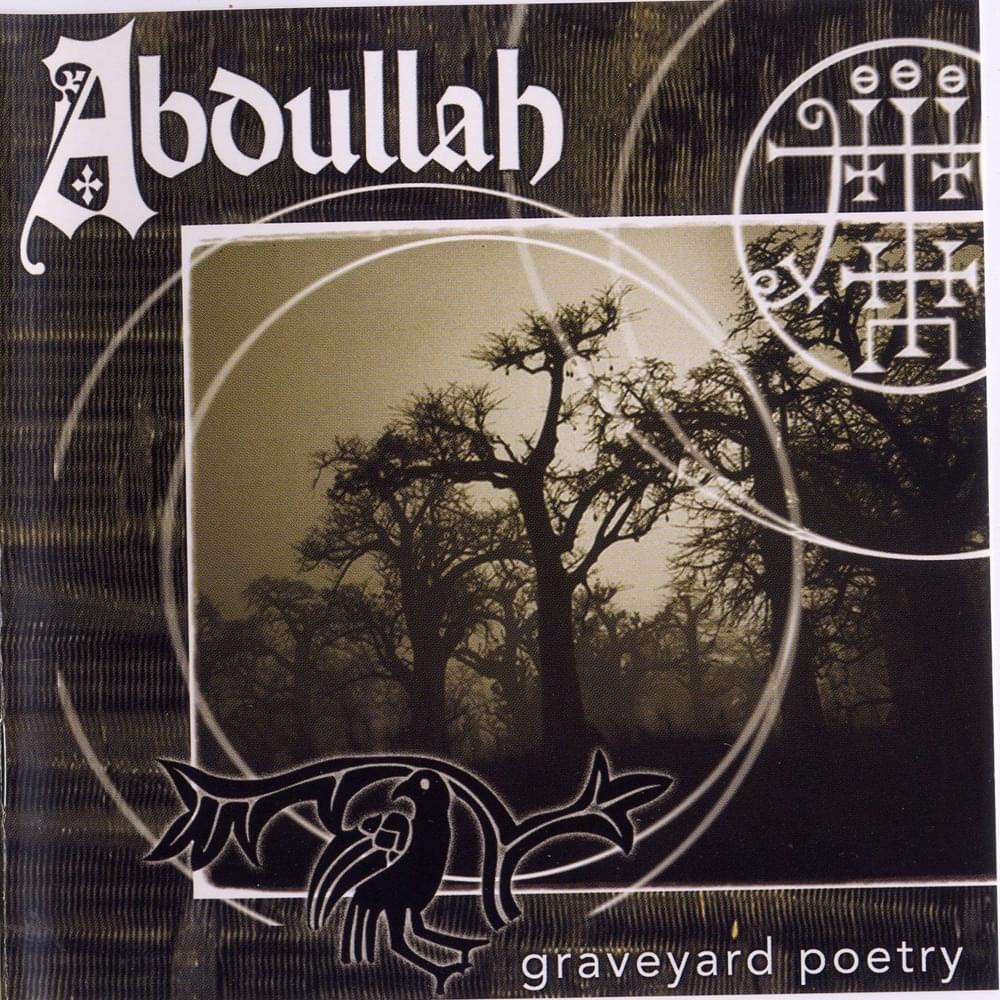
 View Artist