Song Meaning
Aaron Tveit's rendition of "One Song Glory" isn't just a musical theater power ballad; it's a raw, existential plea bargaining with mortality itself. The lyrics, stripped bare, expose a desperate yearning for legacy, a frantic scramble to etch something meaningful onto the world before the curtain falls. It's the anthem of a performer staring down oblivion, grappling with the perceived waste of potential and the haunting specter of an "empty life." The repeated invocation of "glory" isn't about fame or adoration; it's about achieving a fleeting, transcendent connection—a single artistic act capable of redeeming a life that feels, in its final moments, profoundly incomplete.
The song's potency lies in its unflinching confrontation with the anxieties of youth cut short. The "pretty boy front man" isn't just a performer; he's a symbol of squandered possibility, a cautionary tale of potential left unfulfilled. The lyrics subtly shift the focus from external validation ("eyes of a young girl") to an internal reckoning, a desperate search for authenticity ("a song that rings true"). The encroaching "virus" acts as a ruthless deadline, amplifying the urgency and forcing a confrontation with the ephemeral nature of existence. The search for "one song about love" hints at a deeper, more profound connection that the singer craves – love as a form of immortality, an echo that reverberates beyond the physical realm.
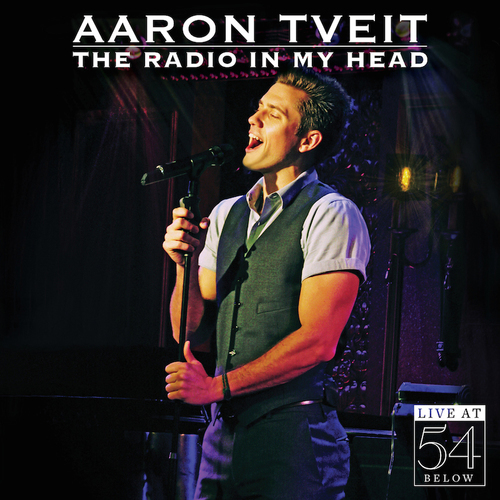
Ultimately, "One Song Glory" transcends its theatrical origins to become a universal meditation on purpose and the human condition. It's a stark reminder that time is finite, and that the pursuit of meaning is a race against the clock. The repeated phrases, "time flies, time dies," are not merely poetic devices; they are a chilling acknowledgment of our own mortality, a stark contrast to the artist's ambition to create something eternal. Aaron Tveit's performance underscores the vulnerability and desperation embedded in the lyrics, transforming the song into a poignant and unforgettable exploration of life, death, and the enduring power of art.
 View Artist