Song Meaning
The lyrics paint a poignant picture of longing for divine closeness, tracing this yearning through different stages of life. It begins with a baby crawling, a youth praying, and the narrator himself, all seeking connection to God. This pattern repeats, with a crying child, a waiting youth, and the narrator again missing the Creator. The core of the struggle is captured in the image of a child trying to grasp a key, a tangible symbol of something just out of reach. This key, wet with milk, represents innocence and a nascent understanding that constantly slips away, mirroring the narrator's own elusive spiritual grasp. The "hidden light" in the child's eyes suggests a divine spark, a potential that the narrator feels is always just beyond his own reach.
The central tension arises from the cyclical nature of this pursuit and the inherent difficulty in attaining it. The lyrics describe a constant back-and-forth, "approaching and receding," as the narrator, like the child, tries to hold onto something that escapes. This movement between "forbidden and permitted" highlights the complexities and moral ambiguities that complicate the path to spiritual fulfillment. The simple joy of a child's laughter is contrasted with the narrator's longing for a "heart's answer," suggesting a mature, perhaps burdened, perspective on life's spiritual quest.
The most striking craft element is the recurring motif of the "key" and the "hidden light." The key, initially slipping from a baby's grasp, reappears as the narrator tries to hold it, only for it to slip again. This repetition emphasizes the persistent, yet often futile, effort to grasp spiritual understanding or divine presence. The "hidden light" in the child's eyes, which the narrator recognizes in his own face later, suggests that the divine is not entirely absent but perhaps obscured by the challenges of life. The lyrics beautifully articulate this paradox: the light is present, yet the grasp remains elusive.
Ultimately, the lyrics resonate because they articulate a universal human experience: the deep-seated desire for connection and meaning, and the frustration of not quite reaching it. The shift from the child's struggle to the narrator holding his own child, seeing his own face in his son's, offers a moment of profound recognition and peace. The son "lives the now" and "illuminates my soul's secrets," suggesting that through the innocence and presence of his child, the narrator finds a reflection of the divine he was seeking. The final lines bring a sense of resolution, positing that God, too, "longs for man," reframing the divine pursuit as a mutual yearning, a comforting thought that brings the spiritual quest full circle.
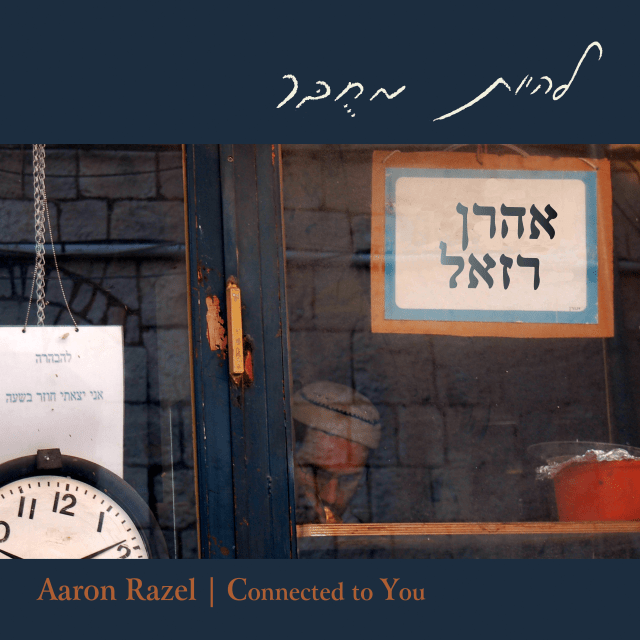
 View Artist