Song Meaning
The lyrics paint a vivid portrait of the enduring spirit of the Jewish people, referred to as "Am Israel." The opening lines immediately establish a tone of resilience, comparing the people to a burning bush that fights and overcomes, only to return at dawn. This imagery suggests a cyclical struggle and rebirth, a constant overcoming of adversity. The phrase "לא ינום השומר" (the watcher will not slumber) implies a persistent vigilance, a sense that even in rest, there is an underlying awareness and readiness.
The second stanza introduces a gentler, more sorrowful image: a white dove with a tear on its cheek. This dove, seeking only to rest its head, returns with a message. This shift from fiery resilience to a more vulnerable, yet hopeful, image suggests that even amidst pain, there is a carrying of news or a promise of something new. The narrator's observation of his "brothers" as "sweet" adds a layer of affectionate tenderness to the collective identity.
A central theme emerges around a persistent question: "הראיתם את שנפשי אהבה?" (Have you seen what my soul loved?). This yearning for a lost or cherished object of affection, sung in an ancient melody with a tear, highlights a deep, ongoing search. The act of stopping to pray "at the side of the roads" during sunset, before "the one who sits on high," grounds this search in a spiritual context, emphasizing devotion and a plea for mercy.
The lyrics then pivot to a pragmatic, almost defiant, creation. Despite warnings of "danger here, building" and "slow down, children," the people build a "factory of love" with "a little salt and sand." This contrast between external warnings and internal drive to create something positive, even from simple elements, underscores a powerful will to persevere and build anew, regardless of the perceived risks or the bleakness of the surroundings.
Finally, the song gathers its disparate images into a collective gathering. People are drawn from "the books of the prophets, the verses of the poets, or the melodies of the piyyutim" – a rich tapestry of spiritual and cultural heritage. The repeated, almost mundane, observation about "traffic jams in the ingathering of exiles" serves as a surprisingly grounding, humanizing detail. It acknowledges the practical, sometimes frustrating, realities of bringing people together, while implicitly celebrating the very act of this massive, ongoing reunion.
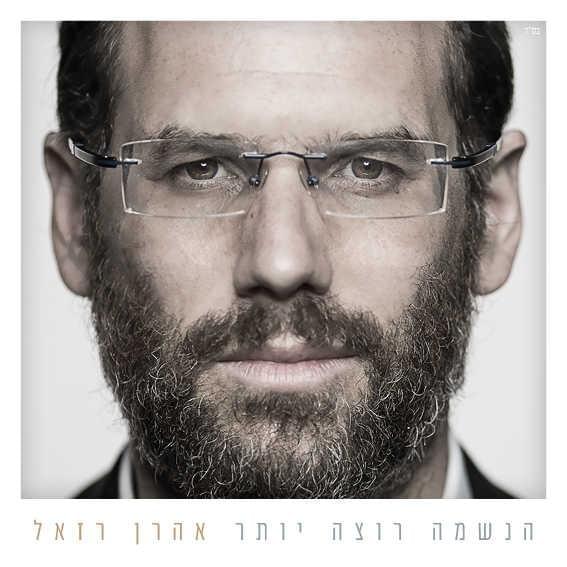
 View Artist