Song Meaning
The lyrics open with a direct, almost prayerful invocation of "Oh freedom." This isn't a question, but a declaration, immediately establishing a powerful, yearning tone. The speaker's desire for liberation is absolute, a state to be achieved "over me."
A profound tension drives these lines: the absolute refusal of bondage. The speaker declares, "before I'll be a slave, I'll be buried in my grave." This stark choice—death over subjugation—underscores the non-negotiable nature of the desired freedom, framing it as an ultimate human right. The only acceptable alternative to living free is a final rest, to "go home to my lord and be free."
The power of repetition here is undeniable. The recurring structure, particularly the refrain "Oh freedom / over me" and the unwavering declaration of choosing death over slavery, builds a relentless momentum. This isn't just a personal wish; it feels like a collective chant. The slight variations, moving from "Oh freedom" to "No more weeping" and "No more worry," broaden the scope of liberation, suggesting freedom from both physical and emotional burdens.
These lyrics resonate because they articulate an unyielding spirit. The simple, direct language, combined with the powerful, almost incantatory repetition, creates a sense of deep conviction and spiritual resolve. It's the absolute commitment—the willingness to embrace the grave rather than bondage—that makes this declaration so emotionally potent, speaking to a fundamental human yearning for dignity and self-determination, ultimately found in a divine release.
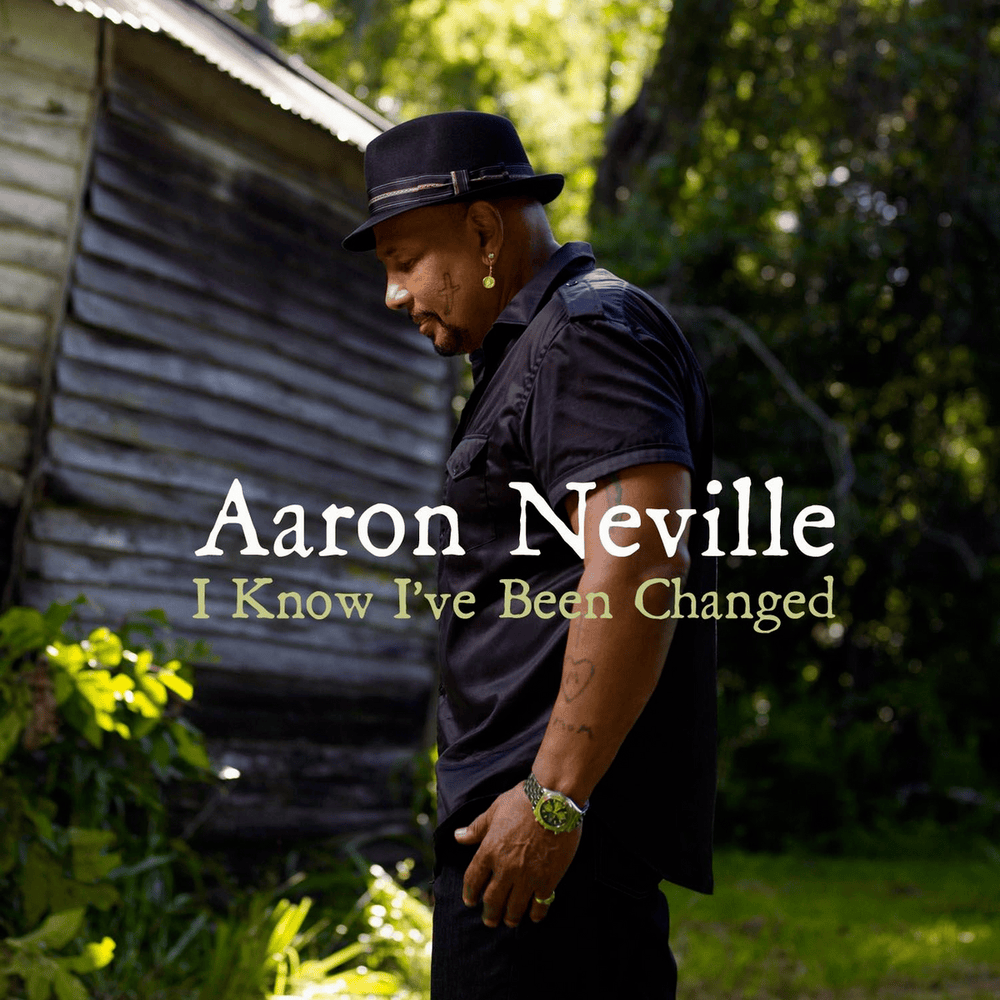
 View Artist