Song Meaning
The lyrics paint a stark picture of a devastating flood, focusing on the overwhelming power of nature and the vulnerability of a specific place. The narrative begins with a subtle shift, "the winds have changed," signaling an impending natural disaster that quickly escalates into relentless rain. This downpour becomes a tangible force, measured in "six feet of water" that submerges the "streets of Evangeline," transforming a familiar landscape into a watery, chaotic scene. The repetition of this image grounds the listener in the physical reality of the flood's impact.
The central tension lies in the contrast between the unstoppable force of the river and the human experience of loss and survival. While the "river rose all day / The river rose all night," some "got lost" while others "got away alright," highlighting the arbitrary nature of the disaster's toll. This duality underscores the helplessness of the inhabitants against a force that "busted through," indifferent to their fate. The repeated refrain, "They're trying to wash us away," imbues the natural event with an almost intentional, malevolent agency, amplifying the sense of being overwhelmed.
A particularly striking element is the portrayal of President Coolidge's visit. The image of the President arriving by "railroad train" with a "little fat man / With a note pad" creates a sense of detached observation rather than immediate, impactful aid. The President's comment, "Oh isn't it a shame / What the river has done / To this poor farmer's land," reduces the profound devastation to a polite, almost dismissive observation. This interaction starkly contrasts the grand arrival of authority with the lived reality of the flood's victims, suggesting a disconnect between official response and the people's suffering.
Ultimately, the song's power comes from its direct, unadorned language and its focus on the physical and emotional weight of the flood. The relentless repetition of the "wash us away" refrain, coupled with the concrete imagery of submerged streets, creates a palpable sense of dread and resignation. The lyrics don't offer grand pronouncements but rather a raw depiction of a community facing an existential threat, leaving the listener with a profound sense of the water's destructive force and the fragility of human existence against such overwhelming natural power.
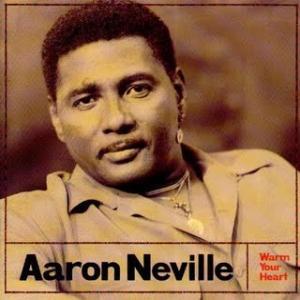
 View Artist