Song Meaning
The lyrics paint a stark picture of a group, "the children of Adelphia," facing an undeniable end. The opening lines, "Lights out! Can you see the end?" immediately establish a sense of finality and perhaps a reluctant acceptance. There's a feeling of being adrift, with the narrator stating, "We are the motion / You are the tide," suggesting a dynamic where one group is active and the other is passively moved, highlighting a potential disconnect or power imbalance in their shared predicament. The line "Our time has seen its last success" solidifies the theme of decline and a fading era.
The central tension arises from the conflicting desires of escape and resignation. While the narrator declares, "The ground beneath me is burning, and I say let it die... let it die," there's also a persistent, almost hopeful, directive: "You will not go til you find your way home." This creates a powerful push-and-pull between destruction and the innate human need for belonging or resolution, even as the environment deteriorates and "we're frozen" in time.
The most striking aspect of the craft is the juxtaposition of destructive imagery with a strangely alluring promise of transcendence. The narrator's repeated, almost ritualistic, "let it die" is met with the vision of moving "First to the sea / Then to the sky," described as "beautiful I know you'll like it." This creates an unsettling beauty in annihilation, suggesting that perhaps the only way forward, or "home," is through complete dissolution, a concept that is both terrifying and strangely appealing within the context of their suffocating reality, where "we can't breathe in all this smoke."
This lyrical construction is effective because it taps into a primal fear of endings while simultaneously offering a seductive, albeit grim, form of liberation. The repetition of "let it die" and the contrasting imagery of upward movement create a hypnotic, almost trance-like state for the listener. It’s this blend of resignation and a desperate, almost surreal, hope for a different state of being, even if it means oblivion, that makes the lyrics resonate with a profound sense of shared, inescapable fate.
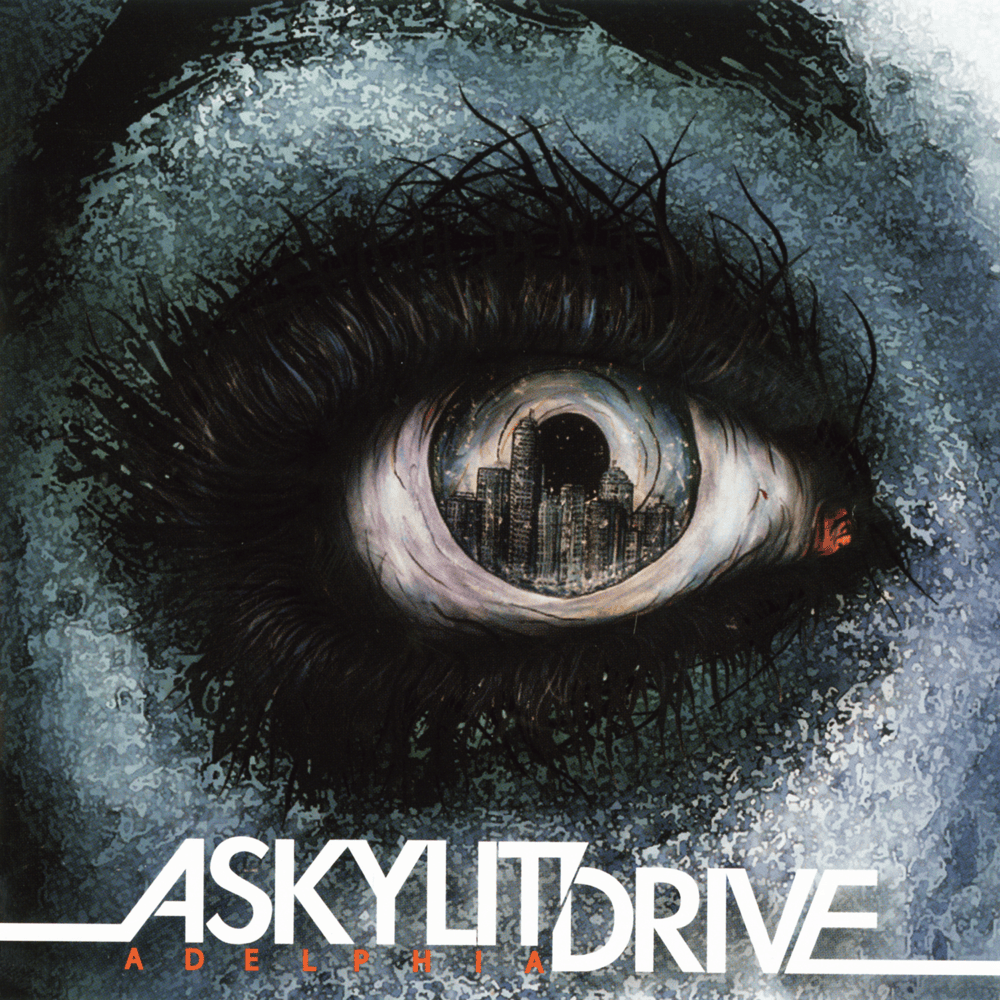
 View Artist