Song Meaning
The lyrics paint a vivid picture of a journey, both literal and emotional, with a clear destination in mind. The opening lines establish a desire for directness and an end to uncertainty, urging a partner to find their way without hesitation. This sets up a core theme of unwavering commitment and the belief required to achieve it, encapsulated in the repeated phrase "Due north, You just have to believe."
The central tension arises from the act of sailing, which implies distance and potential peril, contrasted with the absolute certainty of return. The narrator acknowledges the vastness of the journey, "sail to the end of the world," but grounds it in the sailor's instinct to come home. This creates a hopeful yet determined mood, where "holding on to hope" and praying for "fair wind and following sea" are active, necessary components of reaching the desired port.
The most striking craft element is the extended maritime metaphor, where the loved one is explicitly identified as the "night-time beacon" guiding the narrator. This isn't just about navigation; it’s about finding direction and safety amidst uncertainty. The idea that "windward turns are how we learn how to be free" suggests that challenges and difficult choices are integral to growth and ultimately, to finding one's true path, reinforcing the "True north" concept.
Ultimately, these lyrics resonate because they translate abstract feelings of love and commitment into tangible, relatable actions and imagery. The blend of hopeful anticipation and the acknowledgment of the effort involved in maintaining a connection makes the pursuit of this "True north" feel earned and deeply meaningful. The repeated emphasis on belief and the sailor's return offers a powerful testament to enduring bonds.
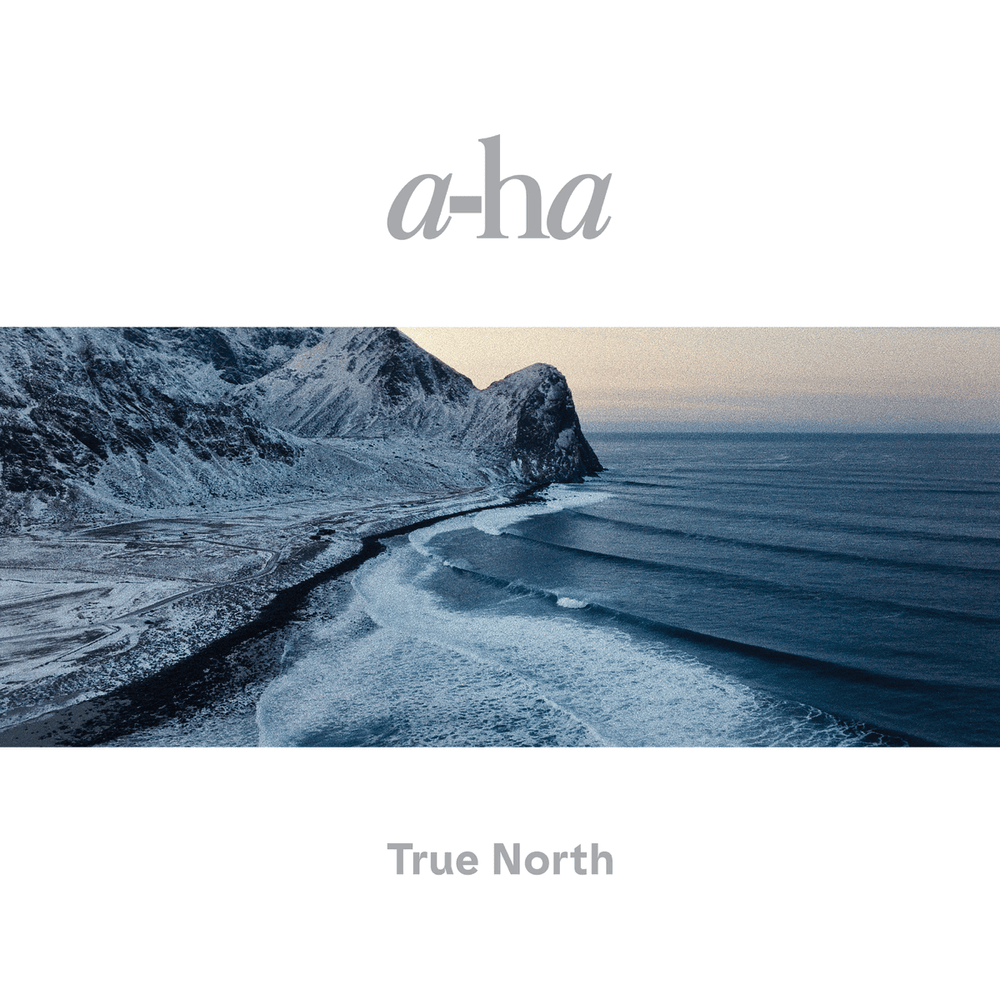
 View Artist