Song Meaning
The lyrics paint a picture of someone grappling with independence, oscillating between the difficulty of going it alone and the potential ease of returning to a familiar, albeit solitary, state. The central refrain, "Trees will not grow on sand," acts as a stark, almost elemental truth, grounding the narrator's personal struggles in a natural law. This assertion suggests a fundamental incompatibility, a place where growth or stability is impossible, mirroring the narrator's own feelings about their situation.
The core tension emerges from the contrasting lines: "Sometimes it's harder to go home alone" versus "Sometimes it's easier to go home alone." This subtle shift highlights the fluctuating emotional landscape of self-reliance. The narrator acknowledges the struggle inherent in forging one's own path, yet also recognizes the potential comfort or simplicity in solitude. The repeated phrase "make it on your own" underscores this ongoing effort, a constant push toward self-sufficiency.
The most striking element is the recurring metaphor of trees and sand. It’s a simple, potent image of futility – a place where life cannot take root. The narrator uses this natural impossibility to assert a certainty, a bedrock truth they cling to amidst personal uncertainty. The later lines, "Come on all over, baby / We were meant to be... I shall make you see," introduce a new dynamic, suggesting this certainty might be directed outward, perhaps towards another person, or even an abstract ideal of connection.
This lyrical construction is effective because it grounds abstract emotional states in a concrete, easily visualized natural phenomenon. The repetition of the core phrase provides a sense of unwavering conviction, even as the preceding lines detail internal conflict. The narrator’s insistence that "Trees will not grow on sand" becomes a mantra, a declaration of an unshakeable reality they are either facing or trying to impose, making the song’s emotional weight feel both personal and universally understood through the lens of natural law.
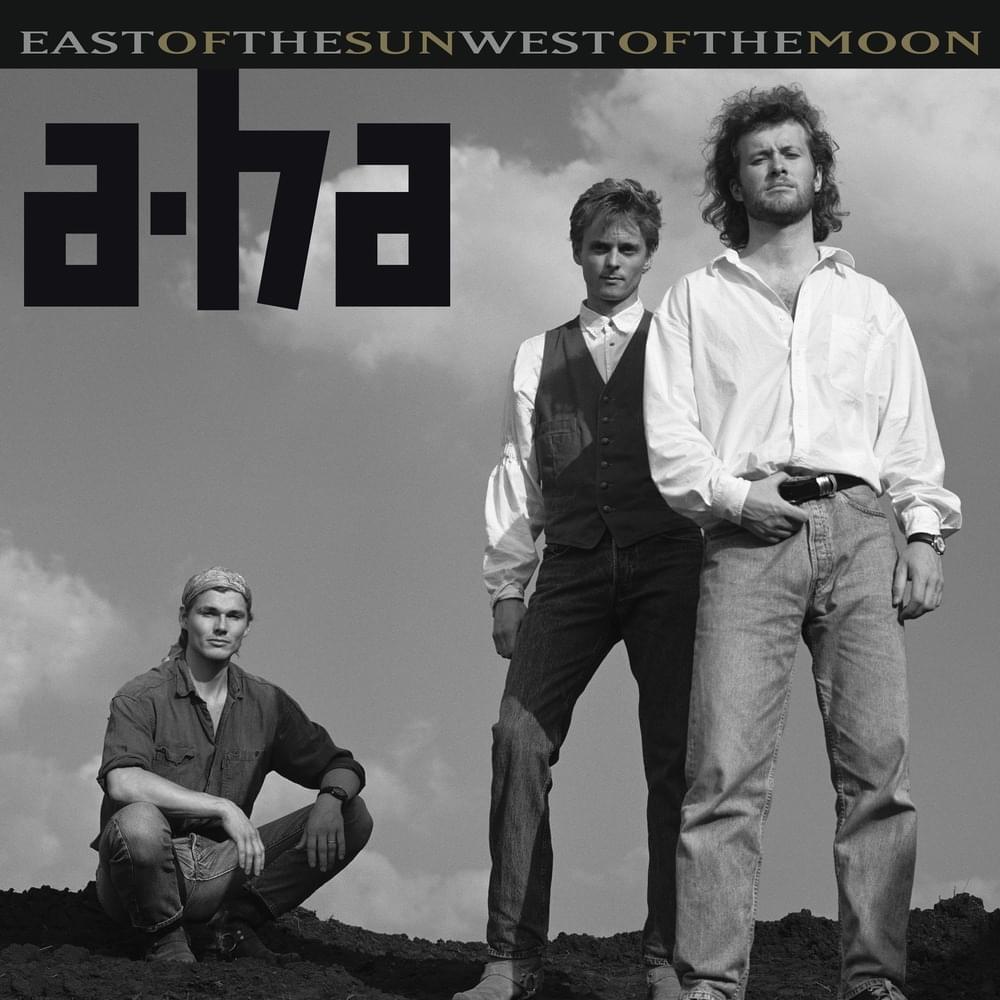
 View Artist