Song Meaning
The lyrics paint a picture of someone determined to leave, seeking freedom from the perceived drudgery of their current life. They declare an intention to avoid wasting time or chasing unrealistic dreams, aiming instead to escape the relentless march of time. This initial stance feels like a bold declaration of independence, a rejection of stagnation in favor of a self-directed path, even if that path involves a solitary summer.
However, a subtle tension emerges as the narrator questions the true cost of this independence. The repeated questions, "Who's going to come with you tonight?" and "Who's going to tell you it's all right?" hint at an underlying fear of isolation. While the departing individual seeks to outrun time's grip, the lyrics suggest that time's inevitability also brings change and, perhaps, comfort. The comparison to wine, which improves with age, introduces the idea that time doesn't just erode but also refines and matures.
The most striking aspect is the redefinition of "birthright." Initially framed as the freedom to escape, it's later presented as the right to walk a path, even a solitary one, and to embrace the ordinary. The lyrics suggest that this right isn't about grand gestures or avoiding life's challenges, but about the fundamental freedom to choose one's own way, acknowledging that this choice, though perhaps "unnecessary" in its solitude, is ultimately valid. The shift from "solitary" to "ordinary" in the second instance of the chorus underscores a potential acceptance of a less dramatic, more grounded existence as equally valid.
Ultimately, the effectiveness of these lyrics lies in their gentle subversion of the initial defiant tone. The narrator doesn't condemn the desire for escape but offers a nuanced perspective on the passage of time and the nature of personal freedom. The repeated affirmation, "It's all right," coupled with the assertion of "birthright," suggests a quiet acceptance that both the desire to leave and the choice to stay, or to simply be, are fundamental human rights, validated by time itself.
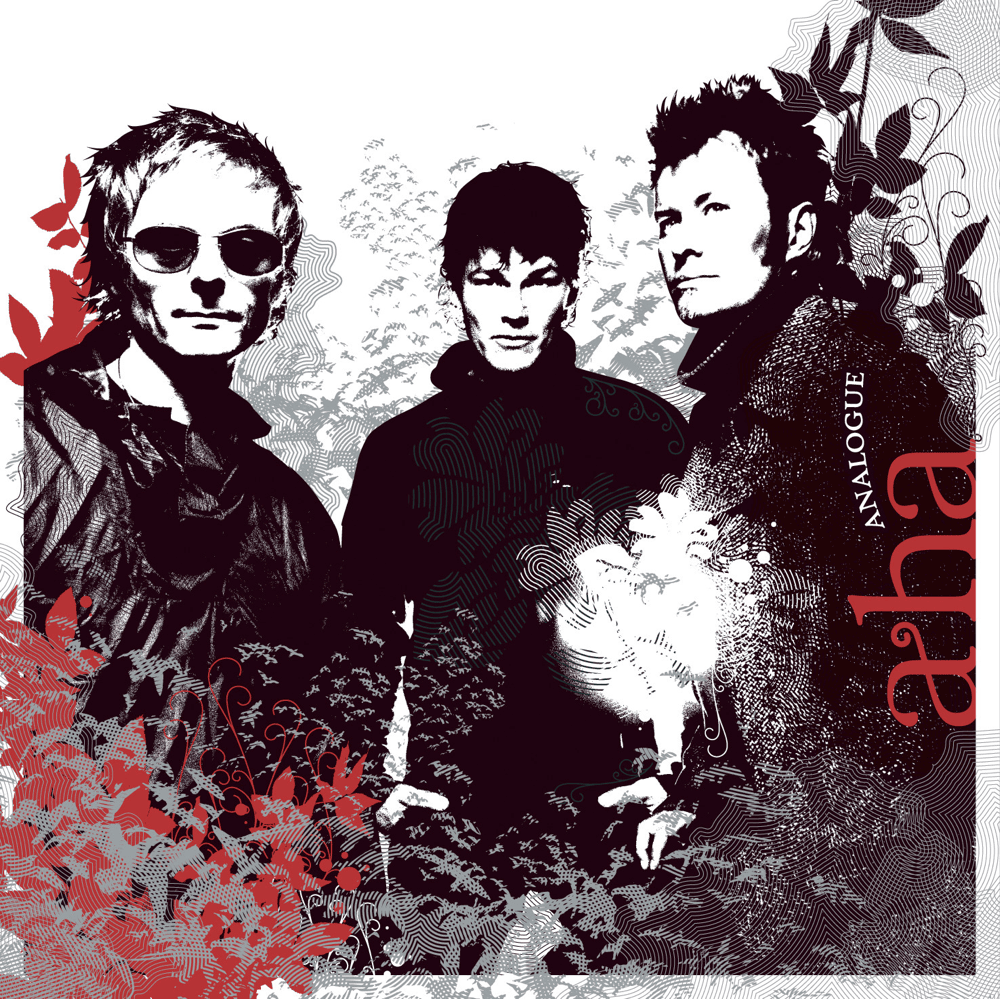
 View Artist