Song Meaning
The narrator’s longing isn't for a specific place, but for an idealized self, a collection of traits they believe are missing. The repeated wish to be "European" conjures images of effortless "beauty and style" and "designer cars," a life of perceived sophistication and ease. This initial fantasy is quickly contrasted with a desire to be "African," specifically evoking a powerful, proud image of a "Zulu" warrior, suggesting a yearning for strength and a way to "not hide."
The core tension arises from this perceived inadequacy. The narrator feels they are not a "better man" and are stuck in their current state, "this is how I stand." This self-assessment fuels a desperate plea: "So don't you leave me alone, dying for the cause." The question that follows, "Do I stand alone when that cause is yours," reveals a deep-seated fear of abandonment and a need for validation, linking their own worth to the approval of another.
The lyrics masterfully employ a structure of repeated, aspirational identities to highlight the narrator's internal struggle. The shift from the European ideal to the African warrior isn't just about different fantasies; it's about seeking different forms of escape and self-definition – one of external polish, the other of internal fortitude. The final, almost frantic repetition of "A European" underscores the unresolved nature of this desire, a fixation on an external identity as a potential solution to internal emptiness.
Ultimately, the effectiveness of these lyrics lies in their raw portrayal of insecurity and the desperate search for an identity that feels more complete. The narrator’s specific, yet broad, wishes for "beauty and style" or "Zulu pride" are less about the places themselves and more about the perceived qualities they represent. It’s this vulnerability, the admission of not being enough and the yearning for something more, that makes the plea so potent.
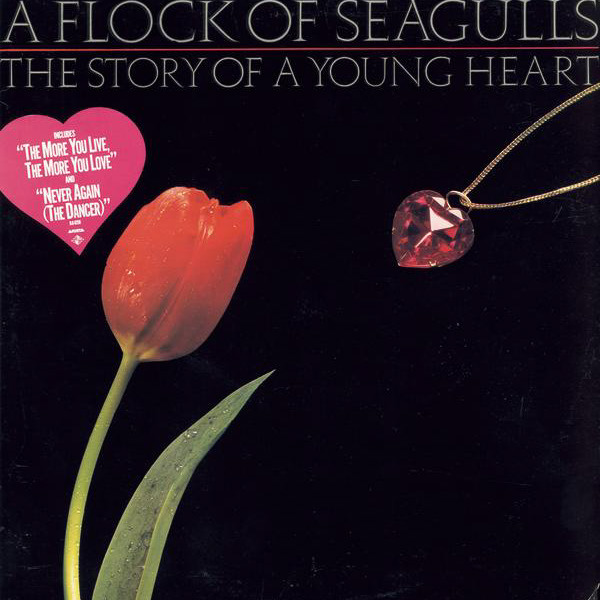
 View Artist