Song Meaning
This track makes a clear distinction between material wealth and true beauty. The repeated assertion, "Dinheiro não" (Money no), immediately signals that the narrator isn't swayed by financial status. Instead, the focus shifts to "formosura" (beauty), specifically highlighting "a pele escura" (dark skin) and "a carne dura" (tough flesh), suggesting an appreciation for a natural, resilient aesthetic over superficial riches. The lyrics present a world where genuine allure is found in cultural expression and physical presence, not in monetary value.
The central tension lies in the narrator's rejection of money's power in favor of a deeper, more intrinsic form of value. This is evident in the contrast between what "money no" can buy and what truly captivates the narrator: the "cultura" (culture) and "elegância" (elegance) of people. The repeated emphasis on specific cultural markers, like the "Moça preta do curuzu" (Black girl from Curuzu) and "Moço lindo do Badauê" (Handsome boy from Badauê), grounds this appreciation in tangible, lived experiences and identities.
The lyrics masterfully use detailed imagery to illustrate this point, particularly in the description of hair adornment. The "trama da trança" (weave of the braid) and "transa do cabelo" (hair's arrangement) are described with a meticulous eye, noting how "conchas do mar" (seashells) are sought to decorate it. This focus on intricate, natural beauty, further enhanced by cultural elements like turbans and specific adornments like "fina palha da costa" (fine coastal straw) and "búzios" (cowrie shells), underscores the narrator's preference for artistry and tradition over mere wealth.
Ultimately, the effectiveness of these lyrics stems from their directness and their celebration of a specific kind of beauty often overlooked by mainstream values. By repeatedly negating the power of money and affirming the profound impact of cultural aesthetics and natural allure, the song creates a powerful statement about what truly holds value. The narrator appears to find a deep, almost spiritual richness in these elements, suggesting that true "beleza pura" (pure beauty) is an inherent quality, not a purchasable commodity.
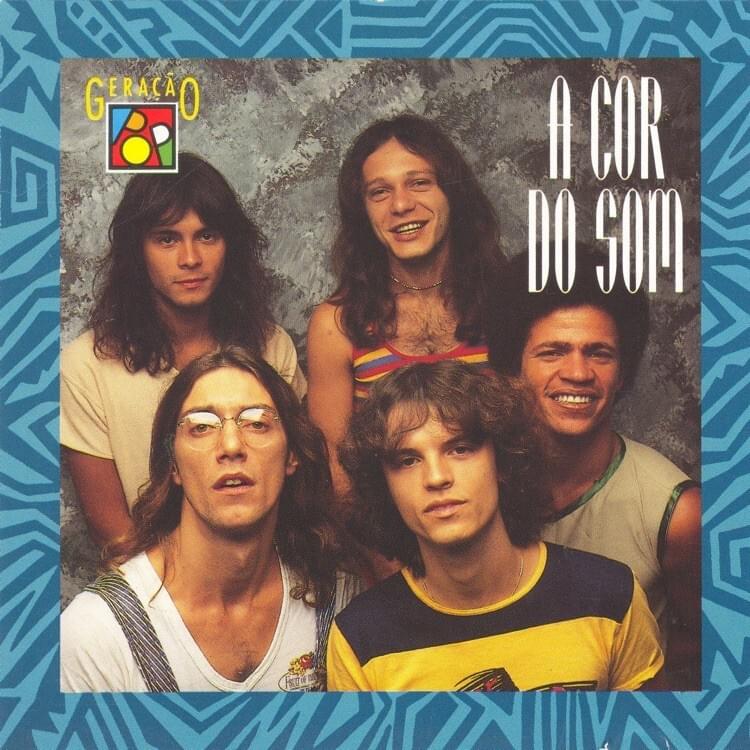
 View Artist