Song Meaning
The lyrics paint a vivid picture of a desperate yearning for transcendence, a desire to escape earthly limitations and reach a celestial realm. The narrator repeatedly asks for elements that facilitate ascent – wings, a parachute – framing the sky not as a distant destination but as a place of arrival and belonging, even a home. This isn't just about flying; it's about a profound transformation, aiming for a star to ignite in their hand, suggesting a desire for divine power or enlightenment.
The core tension lies in the paradoxical requests and the implied struggle against gravity and despair. The narrator asks for wings to land in heaven and a parachute to jump from the ground to the sky, highlighting a need for both gentle arrival and forceful escape. The imagery of clouds moving like waves that break slowly within the narrator, bathing their wings in cherubic water, suggests a baptismal or cleansing experience tied to this ascent. It's a plea for divine intervention to facilitate a spiritual rebirth.
The most striking craft element is the constant, almost incantatory repetition of "Dê asa" (Give wing) and "Dê céu" (Give sky), creating a sense of urgent, pleading prayer. This repetition is amplified by the surreal, almost contradictory imagery: clouds as waves, waves breaking within the self, rain from the sun, and water leaking beyond water. These juxtapositions create a dreamlike, disorienting atmosphere, reflecting the narrator's internal state of being pulled between the mundane and the divine, the solid ground and the boundless sky.
Ultimately, these lyrics resonate because they articulate a universal human desire for escape and a higher state of being, expressed through intensely personal and surreal imagery. The plea for "wing" and "sky" becomes a metaphor for overcoming profound sadness, particularly the "mágoa" (sorrow) that arrives with night. The writing crafts a powerful sense of longing, where the celestial is not just a place but a state of being that can heal earthly pain.
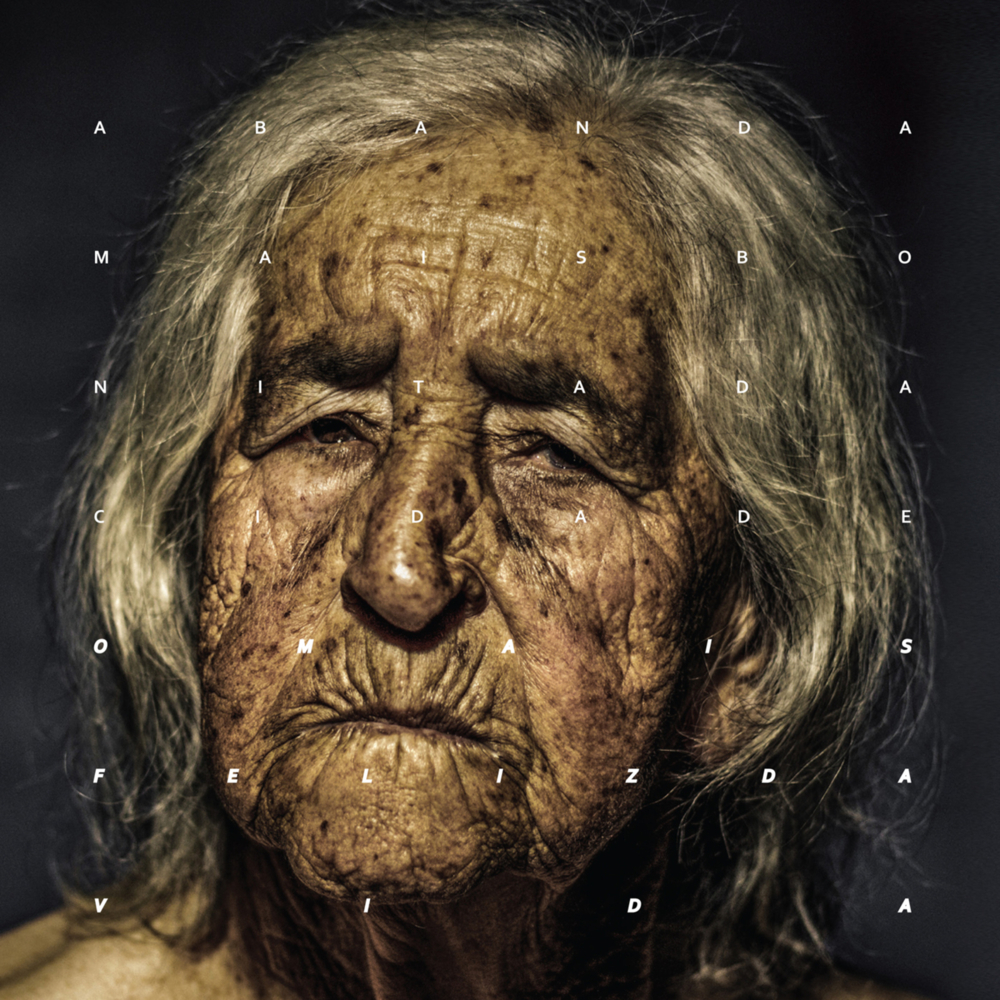
 View Artist