Song Meaning
This song paints a vibrant picture of seizing the moment with a loved one, urging a shared, exhilarating dive into life. The opening lines, "Vem, vamos viver juntos e velozes" and "Vem, vamos rodar no salão do mundo," immediately establish a tone of urgent, expansive joy. It's about embracing a shared future, not with passive waiting, but with active participation in the "world's ballroom." The narrator insists that their life together will reveal what truly matters, framing the present as a crucial moment to affirm that love is beneficial and worthwhile.
The core tension lies in the contrast between the present's intense living and the future's inevitable pangs of longing. The lyrics suggest that understanding time's value only truly comes when experiencing "saudade" (longing/nostalgia), and that even the desire to avoid such feelings can be painful. Yet, this acknowledgment of future difficulty doesn't dampen the present's fervor; instead, it seems to amplify the desire to create an "eternity" right now, a "our movie" where everything unfolds organically.
The most striking craft element is the recurring motif of "o salão do mundo" (the world's ballroom) and the idea of "nosso filme" (our movie). These metaphors transform the vast, potentially overwhelming world into a shared space for dance and a personal narrative. The world isn't just a backdrop but a stage for their collective experience, and their life together is being actively written and directed as a unique film. This elevates their personal connection to an epic, cinematic scale.
Ultimately, the lyrics resonate because they capture a powerful, almost defiant optimism. It's about the intoxicating feeling of being fully alive with someone, believing that this shared experience is the most important thing. The writing skillfully balances the thrill of the present with a wise nod to future emotions, making the call to "Deixa tudo acontecer" feel both urgent and deeply meaningful, a celebration of love's capacity to make time itself feel infinite.
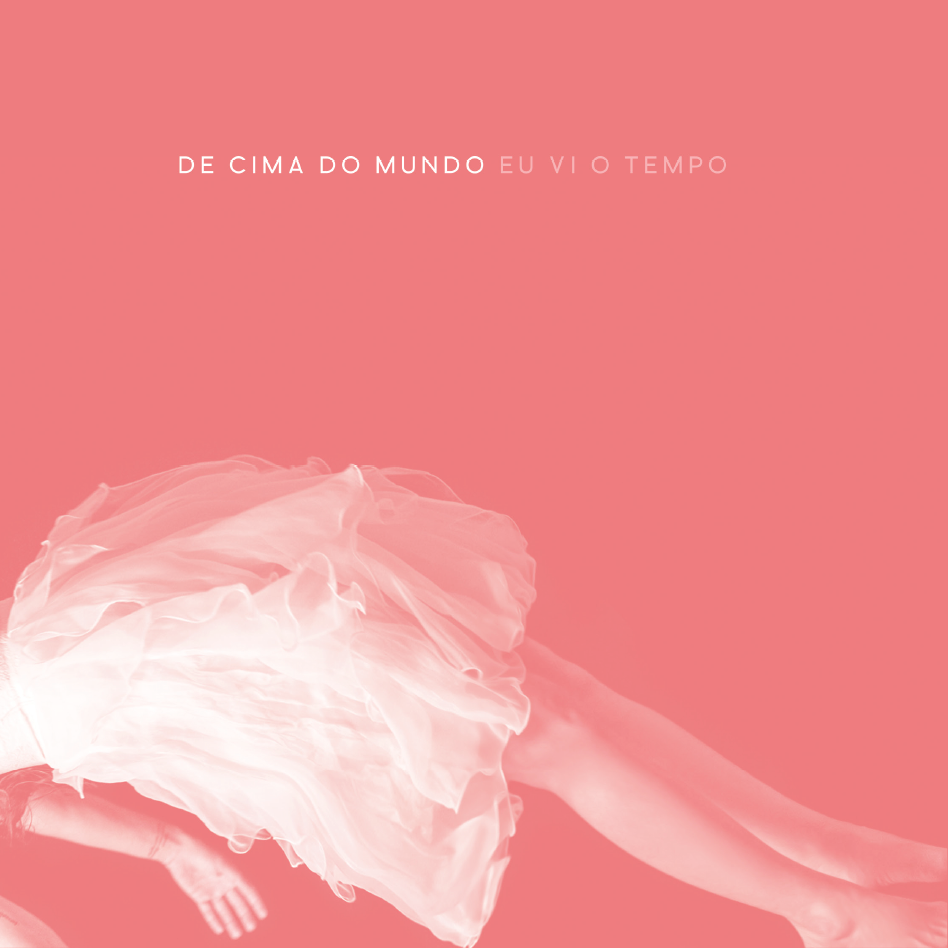
 View Artist