Song Meaning
The lyrics paint a picture of someone rigidly controlled, a "clockwork man" acting as a "soldier in command." This figure dictates actions and movements but, crucially, is "no action man so you don't know." This immediately establishes a central tension: authority without genuine experience or understanding, a leader who doesn't grasp the reality of their own directives. The repeated refrain, "So get them can't you see? / They're in your territory / If you're good you'll get a degree," suggests a transactional, almost academic approach to conflict or dominance, where success is measured by external validation rather than internal conviction or actual impact. It's a system that rewards compliance and territorial assertion, but the underlying motivation and consequence remain unclear to the "soldier" himself.
The narrative then shifts to a more introspective, almost existential crisis, particularly in the lines "Are you expecting what you're gonna find?" and the profound question, "What is this life you're living?" The "soldier" is depicted "loaded up to take the fight," moving "through the darkest night," but the lyrics imply a deep uncertainty about the outcome and the self. The core conflict emerges as the disconnect between the prescribed role of a "soldier" and the internal questioning of one's own existence and identity. The lyrics directly challenge the facade, asking if survival means losing oneself: "If you survive will you still be the same man / You were yesterday?"
The most striking craft element is the juxtaposition of military-esque imagery with the mundane or even academic reward of a "degree." This contrast highlights the absurdity of the situation, suggesting a life where genuine struggle or combat is reduced to a performative act with superficial incentives. The "blank face staring straight ahead" and the chilling question, "Who's alive and who is dead?" underscore the dehumanizing effect of this rigid, unexamined existence. The narrator appears to be observing this "soldier" with a mix of pity and bewilderment, recognizing the internal "question your ability" that arises when the clockwork mechanism falters under the weight of real-world implications.
Ultimately, these lyrics resonate because they capture the unsettling feeling of being trapped in a role or system that demands action without offering genuine purpose or self-awareness. The effectiveness lies in the stark, almost clinical depiction of a life lived by rote, where the internal landscape is ignored until the external pressures force a confrontation with the self. The repeated questions about identity and the nature of life itself, set against the backdrop of a "soldier" blindly following orders, create a powerful commentary on the human cost of unexamined authority and the search for meaning in a seemingly predetermined existence.
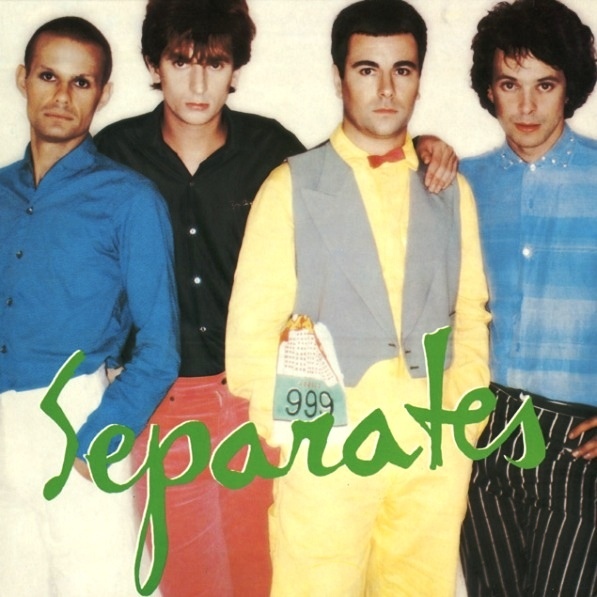
 View Artist