Song Meaning
The lyrics paint a bleak picture of a world where effort seems futile and genuine connection is absent. The repeated phrase "Nobody knows nobody cares" sets a tone of profound isolation and indifference, suggesting a pervasive sense of being unseen and unvalued. This feeling is amplified by the idea that "You always give as what you get," implying a transactional and ultimately unrewarding existence where one's actions yield no meaningful positive outcome.
The central tension arises from the contrast between the struggle to succeed and the inevitable disappointment. The lines "They fight to win but always lose" and "Regrets will follow it's headline news" highlight a cyclical pattern of striving and failing, where even victories are tainted by a sense of futility. The question "what's the point of living" after a "sin to win" underscores a deep existential weariness, where achievement itself becomes a source of despair.
The most striking aspect of the writing is the juxtaposition of cynicism with a strange, almost resigned encouragement. Phrases like "back street semi sweet carry on the good work" offer a glimmer of persistence, but it's framed within this overarching atmosphere of futility. This creates a disorienting effect, as if urging someone to continue a pointless task with a weary, almost sarcastic tone. The game is "confused" and "gone too far," leaving the narrator and others "not amused," emphasizing a collective disillusionment.
Ultimately, the effectiveness of these lyrics lies in their stark portrayal of a joyless, unacknowledged struggle. The relentless repetition of "Nobody knows nobody cares" hammers home the emotional core, making the listener feel the weight of this isolation. The writing doesn't offer solutions but rather captures a raw, unfiltered sense of being lost in a system that offers no reward or recognition, making the persistent "carry on the good work" feel like a hollow, yet somehow poignant, command.
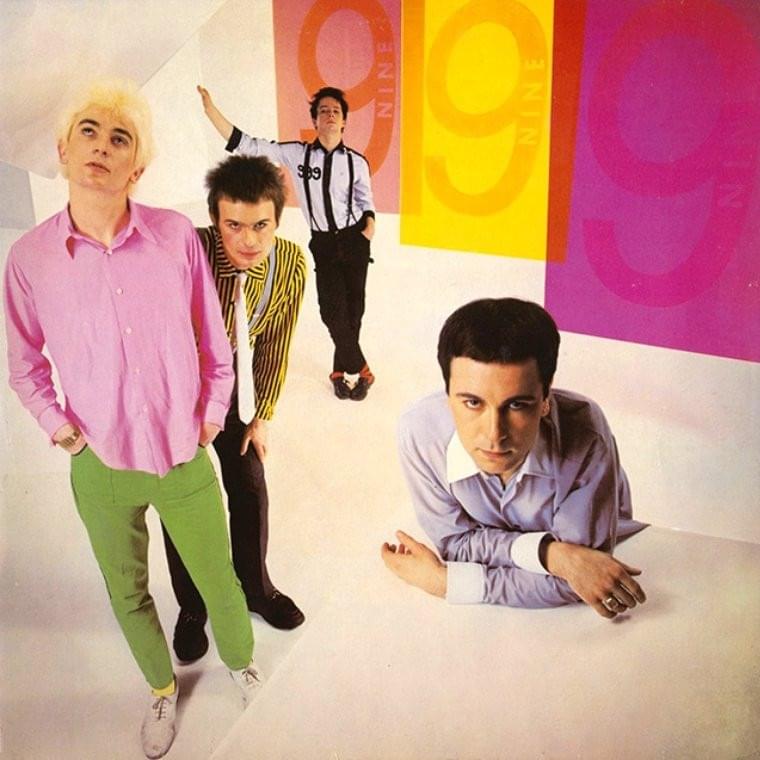
 View Artist