Song Meaning
This freestyle paints a picture of late-night indulgence and a desire for escape, anchored by the mundane setting of a convenience store. The narrator starts by admitting a rare indulgence, referencing "RAW papers" and a preference for "Marijuana" over traditional gifts, immediately establishing a mood of casual rebellion. There's a sharp, almost cynical observation of social dynamics, particularly around money and appearances, noting how "splitting bills to the single digit is the worst" and criticizing women who "don't take out their wallets." The imagery of a "slender body aiming to be a model" is juxtaposed with a slightly dismissive "shabai-kei," suggesting a superficiality the narrator observes.
The core tension seems to lie between a yearning for pleasure and a critique of the systems and people around the narrator. The lyrics touch on a feeling of being scrutinized, mentioning "flashes being taken" and a sense of paranoia with "smelling under the bra, suspecting again." Yet, there's a clear assertion of innocence: "I don't want to get caught, I haven't done anything wrong." This creates a fascinating push-and-pull between the desire to live freely and the awareness of potential judgment or consequences.
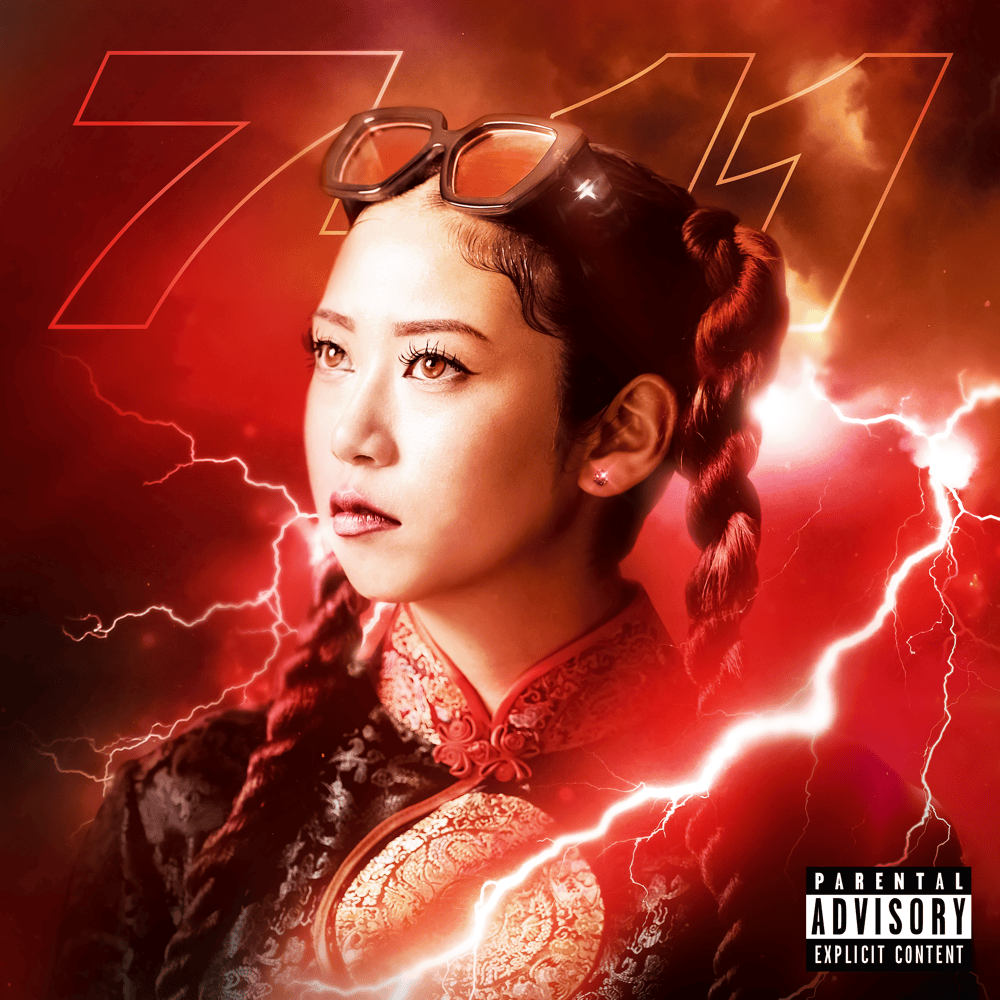
A striking element is the recurring motif of "Marijuana" and the "Seven Eleven" convenience store, blurring the lines between everyday life and escapism. The narrator confesses to "still smoking Marijuana every day" and feeling bored with "countryside convenience store bento boxes." The local music scene is deemed "lame," and the only thing keeping them going is the music playing at the "Kainan Seven," which they "can't quit until marijuana plays." This suggests the convenience store, a symbol of the ordinary, becomes a sanctuary where the desired escape is found, even if it's just through the music and the act of smoking.
The lyrics effectively capture a specific kind of youthful ennui, where small pleasures and a critical eye for social fakery are paramount. The narrator expresses a desire for authenticity, rejecting "realists" and wanting to "gather the things I like in one lifetime." The contrast between the "System is beastly" and the simple joy of "eating well in Japan" highlights a complex relationship with their surroundings. The closing lines, linking the "Seven Eleven" experience to both sadness after eating and a good feeling after smoking marijuana, encapsulate the dual nature of these indulgences – a temporary fix that offers both comfort and a fleeting sense of euphoria in a world that feels restrictive.
 View Artist