Song Meaning
The lyrics paint a raw, immediate picture of grief. The opening lines, "I drink and I cry / Clench your fists, grit my teeth," immediately establish a visceral, physical reaction to loss. The narrator is drowning in sorrow, the "lotta smoke" and "wipe my eye" suggesting a haze of despair and the physical act of trying to clear their vision, perhaps from tears or the overwhelming reality. The direct question, "Why'd you have to go and die?" cuts through the haze with a raw, unanswerable pain.
The central tension lies in the stark contrast between the narrator's overwhelming pain and the perceived peacefulness of the deceased. "Everything seems like nothing / Up against what your incoming," the narrator states, highlighting how the magnitude of this loss dwarfs all previous struggles. The lyrics differentiate between general pain and the specific, unique agony of "your absence," suggesting a profound void left behind. This absence is not just a lack of presence but an active, consuming force.
The most striking craft element is the chilling juxtaposition in Verse 3. The narrator observes the deceased "sleep[ing] so sound / No sign of struggle around," a seemingly peaceful image. However, this is immediately subverted: "But this is not sleepin'." The repeated, almost desperate "I didn't hear your fists pound" suggests a deep, internal knowledge that this peace was hard-won or perhaps even a denial of a violent end, contrasting the external stillness with the narrator's own internal turmoil and the implied struggle of the departed.
This lyrical construction is effective because it grounds abstract grief in concrete, often contradictory, sensory details. The shift from the narrator's active, messy grief to the observed stillness of the deceased creates a profound emotional resonance. The final plea, "Don't you roll my baby away / 'Cause there's a couple more things I wanted to say," coupled with the frantic "Wake up!" underscores the desperate, unfinished nature of the narrator's connection and their inability to accept the finality of the loss.
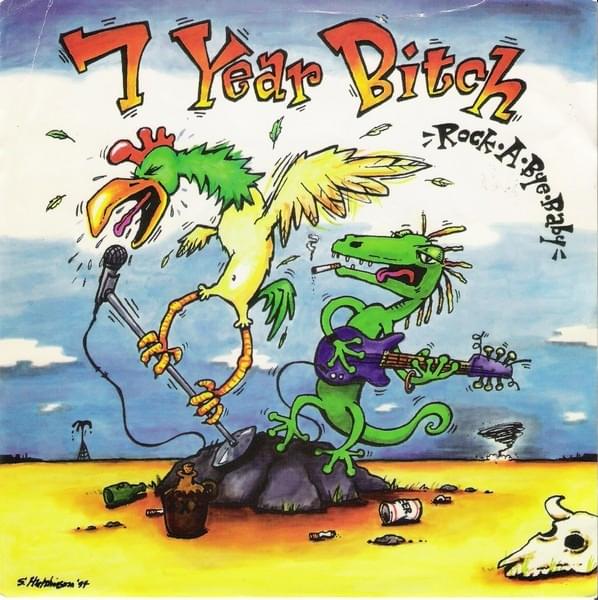
 View Artist