Song Meaning
The narrator is sounding an urgent alarm about a societal breakdown, a loss of moral compass that feels immediate and critical. The opening lines establish a desperate need for recovery, a stark declaration that the current state is unsustainable. There's a palpable sense of urgency, a plea to confront reality before a point of no return is reached. The call to action is clear: "Lost it all we gotta get it back."
This isn't just about personal failings; it's about a collective drift. The lyrics highlight a dangerous disconnect where individual desires might override ethical considerations, suggesting a slippery slope. The narrator observes that while personal conviction is important – "no one can make you / To do things that's not for you" – this freedom has apparently led to a widespread ethical void. The core issue is identified as a lost "Sense of right and wrong."
The most striking aspect is the contrast between personal autonomy and communal responsibility. The idea that one can "do things that aren't always right / As long as they feel right for you" is presented as a precursor to a larger societal problem. This personal justification, when amplified, leads to chaos "out in the streets." The lyrics powerfully convey how individual choices, when unmoored from a shared ethical framework, can result in a collective "things went wrong."
Ultimately, the effectiveness of these lyrics lies in their direct, unvarnished plea. There's no complex metaphor or hidden meaning, just a raw articulation of a perceived crisis. The repeated calls to "get it back" and "face the facts" create a sense of shared responsibility and immediate danger, making the listener feel the weight of the situation and the imperative to act before it's "too late."
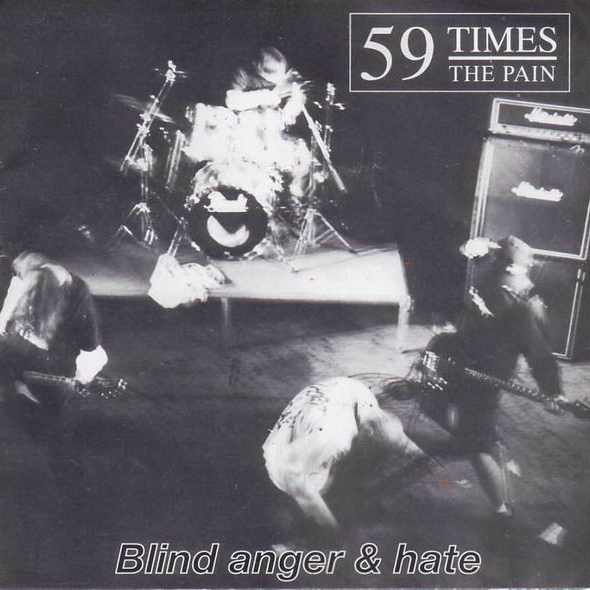
 View Artist